The recent byelection in Terrebonne, Quebec, has yielded a notable improvement in voter participation accuracy, with a marked decrease in the number of rejected ballots. This positive outcome occurred despite the implementation of an adapted ballot design, which was introduced to enhance clarity and accessibility for voters.
Enhanced Voter Experience in Terrebonne
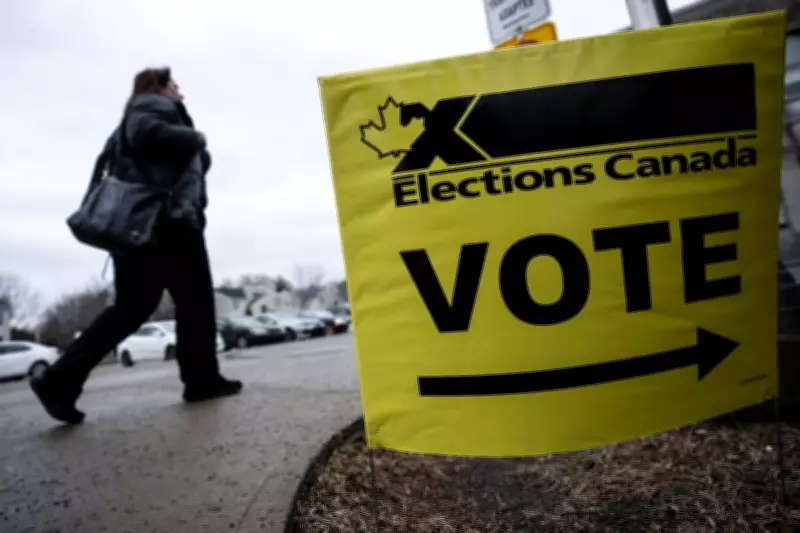
On Monday, April 13, 2026, residents of Terrebonne participated in a crucial byelection, casting their votes at designated Elections Canada locations. The electoral process was closely monitored, and preliminary results indicate a significant reduction in ballot rejections compared to previous elections. This development is particularly noteworthy as it follows the introduction of a modified ballot format, aimed at minimizing voter errors and ensuring that every vote is counted accurately.
Adapted Ballot Design and Its Impact
The adapted ballot design was a key focus of this byelection, with officials hoping to streamline the voting experience. Traditionally, ballot rejections can occur due to various factors, such as improper marking or confusion over instructions. By refining the layout and instructions, Elections Canada sought to address these issues proactively. The data from Terrebonne suggests that these adjustments have been effective, contributing to a smoother electoral process and higher voter confidence.

This reduction in rejected ballots is a promising sign for electoral integrity in Quebec. It reflects ongoing efforts by election authorities to adapt to voter needs and improve accessibility. As democratic participation remains a cornerstone of Canadian society, such innovations are crucial for maintaining public trust in the electoral system.
Broader Implications for Future Elections
The success in Terrebonne could serve as a model for other jurisdictions across Canada. With voter turnout and accuracy being perennial concerns, the lessons learned from this byelection may inform future ballot designs and electoral procedures. Experts emphasize that continuous improvement in these areas is essential for fostering inclusive and representative democracy.
As Quebec continues to navigate its political landscape, the Terrebonne byelection stands as a testament to the importance of meticulous planning and voter-centric approaches. The decrease in rejected ballots, despite the adapted design, underscores the potential for positive change when electoral processes are thoughtfully refined.