Iran Rejects Ceasefire as Trump's 'Hell' Ultimatum Deadline Looms
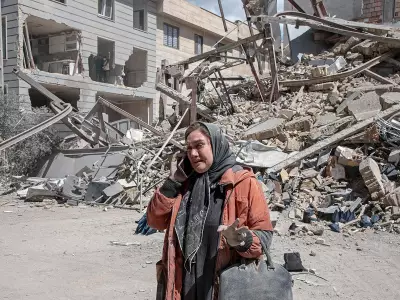
In a significant development in the ongoing Middle East conflict, Iran has formally rejected a ceasefire proposal, heightening tensions as the deadline for former U.S. President Donald Trump's so-called 'hell' ultimatum approaches. This move comes amid increasing international pressure and military posturing, with analysts warning of potential escalations that could impact global stability.
Escalating Tensions and International Pressure
The rejection of the ceasefire by Iranian authorities underscores the deepening rift in diplomatic efforts to resolve the conflict. Trump's ultimatum, which has been described in stark terms, sets a critical deadline that is now drawing near, adding urgency to an already volatile situation. Military experts, including CTV News analysts, have raised concerns about the possible consequences if the U.S. were to strike Iran's power plants, highlighting the strategic and humanitarian risks involved.
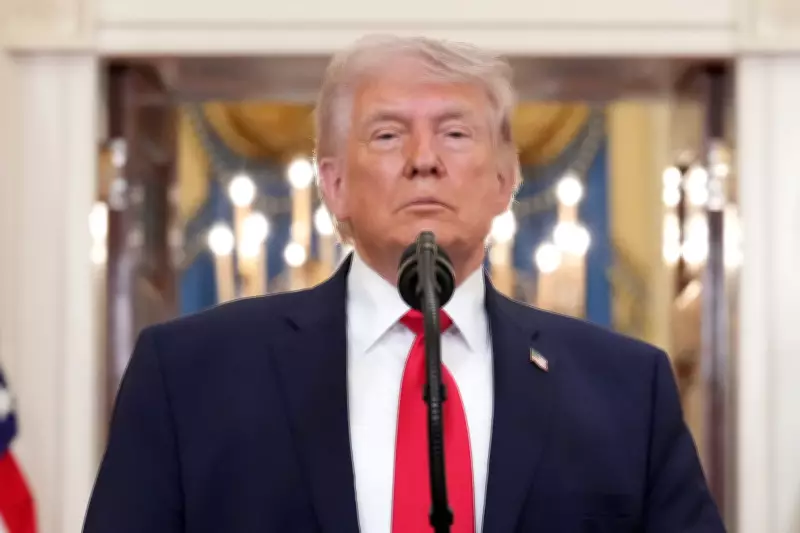
Eric Ham, a noted commentator, emphasized that 'there's a lot of pressure' on Trump ahead of the Iran deadline, reflecting the high stakes in this geopolitical standoff. Meanwhile, a recent U.S. military operation to rescue a missing pilot, praised by a former Navy SEAL as a 'tremendous military operation,' illustrates the active military engagements in the region, further complicating the path to peace.

Broader Implications and Regional Dynamics
The conflict has far-reaching implications, affecting not only the Middle East but also global markets and alliances. Wells Fargo has adjusted its economic forecasts, no longer expecting Federal Reserve rate cuts in 2026 due to the ongoing war with Iran, signaling how the turmoil is influencing financial sectors. Additionally, investors are pressing major tech companies like Amazon, Microsoft, and Google on their water and power use in U.S. data centers, partly driven by concerns over resource allocation amid geopolitical instability.
In related news, Steve Bannon has won a U.S. Supreme Court order likely to lead to the dismissal of his contempt of Congress conviction, a development that intersects with domestic political narratives in the U.S. Seoul's spy agency has also weighed in, suggesting it's fair to view the teen daughter of North Korean leader Kim Jong-un as his heir, adding another layer to regional security dynamics.
Military and Diplomatic Moves
As the deadline nears, both sides are ramping up their positions. Iran's rejection of the ceasefire is seen as a defiant stance against external pressures, while the U.S. continues its military threats, as evidenced by Trump's ongoing rhetoric. The situation is further complicated by incidents such as the missing U.S. military member being found, which has kept military operations in the spotlight.
Experts warn that without a diplomatic breakthrough, the region could face increased hostilities, with potential strikes on critical infrastructure like power plants posing severe risks to civilian populations and regional stability. The international community is closely monitoring developments, with calls for de-escalation growing louder as the deadline approaches.
In summary, Iran's rejection of the ceasefire amid Trump's 'hell' ultimatum deadline marks a critical juncture in the Middle East conflict, with significant implications for global peace and security. The coming days will be crucial in determining whether diplomatic efforts can prevail or if military actions will escalate further.