Iran Reopens Strategic Strait of Hormuz as US Vows to Maintain Blockade
In a significant geopolitical development, Iran has officially reopened the Strait of Hormuz, a critical maritime chokepoint for global oil shipments. This move comes amidst heightened tensions in the Middle East, but the United States has swiftly responded by declaring that its naval blockade targeting Iranian ships and ports will remain firmly in place.
Strategic Waterway Reopens Amidst Ongoing Conflict
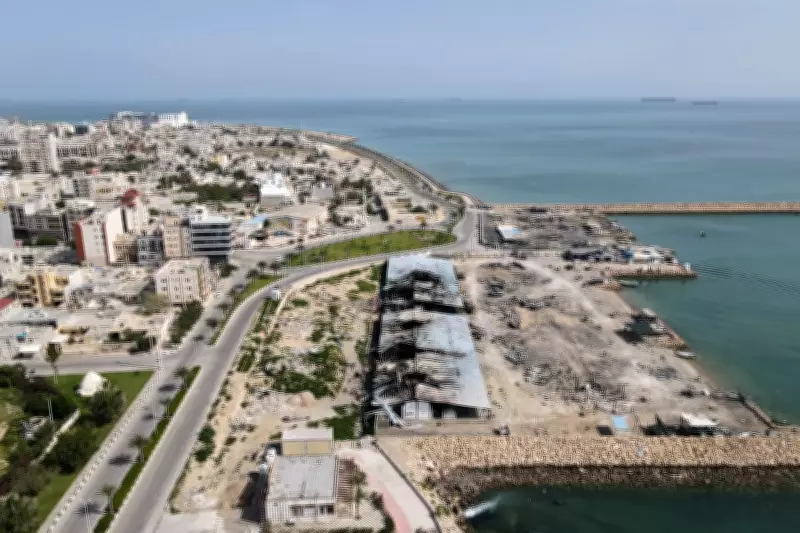
The Strait of Hormuz, a narrow passage connecting the Persian Gulf to the Gulf of Oman, is one of the world's most vital shipping lanes. It facilitates the transit of approximately one-fifth of the global oil supply. Iran's decision to reopen the strait follows a period of restricted access, which had raised international concerns about potential disruptions to energy markets and global trade flows.
However, the reopening does not signal a de-escalation. The United States, under the administration of President Donald Trump, has reaffirmed its commitment to enforcing a comprehensive blockade. This blockade specifically targets Iranian maritime assets, restricting the movement of Iranian vessels and access to its ports. The US stance underscores the persistent and deep-seated tensions between the two nations, which have been a focal point of regional instability.

Broader Regional Context and Economic Implications
The situation unfolds against a complex backdrop of Middle Eastern conflict. Recent reports indicate that Israel and Lebanon have agreed to a temporary 10-day ceasefire, a development that President Trump has publicly acknowledged. Meanwhile, diplomatic efforts face challenges, with accusations emerging that certain figures are attempting to 'bully' Iran during sensitive peace negotiations.
The geopolitical friction has direct and tangible economic consequences. Analysts are closely monitoring the impact on global oil and gas prices, which are susceptible to volatility from disruptions in the region. Furthermore, the conflict is affecting the supply chain for critical resources like medical helium, highlighting the interconnected nature of global commodity markets and regional strife.
International Reactions and Future Outlook
The international community is watching the developments with apprehension. The juxtaposition of Iran reopening a key trade route while facing an unwavering US blockade creates a precarious stalemate. This scenario poses significant risks for international shipping, energy security, and diplomatic relations in the Persian Gulf and beyond.
The ongoing standoff emphasizes the fragile state of affairs in the Middle East. While the reopening of the Strait of Hormuz may offer temporary relief for some shipping lanes, the sustained US blockade ensures that pressure on Iran continues. The situation remains fluid, with potential implications for global trade patterns, regional alliances, and the broader geopolitical landscape as nations navigate this high-stakes confrontation.