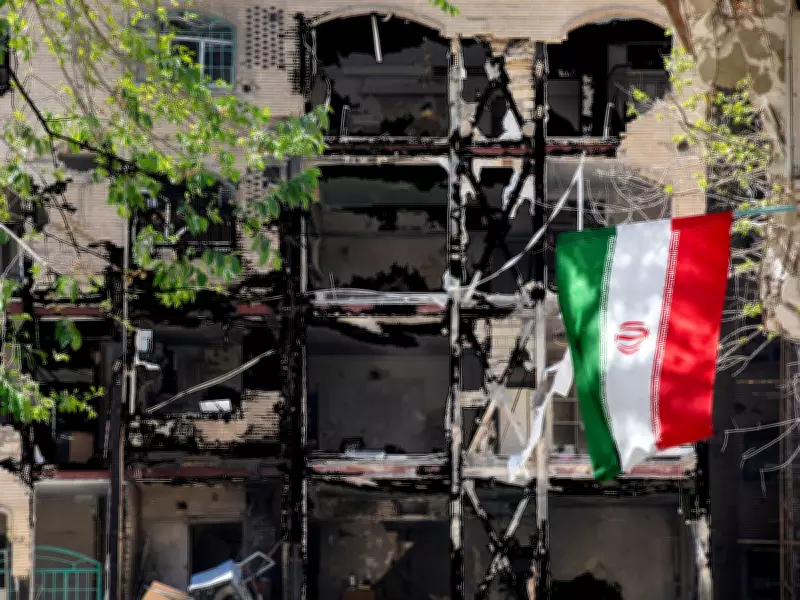
Western Intelligence Reports: Iran's Military Planning Preserves Response Capability Despite Heavy Damage
According to confidential Western military intelligence assessments, Iran's extensive operational planning undertaken in anticipation of conflict has effectively prevented the destruction of its missile and drone capabilities, allowing the country to maintain response potential despite sustaining massive infrastructure damage and losing senior leadership in recent U.S.-Israeli strikes.
Pre-War Planning Mitigates Impact of Strikes
People familiar with the intelligence reports, who requested anonymity when discussing private assessments, revealed that Iran's military planning before hostilities began successfully minimized disruption to command structures and preserved critical weapons systems. The country implemented comprehensive plans to replace senior military leaders in the event they were killed, ensuring continuity of command when those leaders were targeted during the initial days of the conflict.
These intelligence assessments provide a significantly more nuanced picture of military outcomes than public statements from U.S. administration officials have suggested. While President Donald Trump declared on Truth Social that "Iran has been totally OBLITERATED, Militarily, and otherwise," and Defense Secretary Pete Hegseth claimed the "Epic Fury" operation "decimated Iran's military and rendered it combat ineffective for years to come," Western intelligence paints a different reality.

Iran's Preserved Military Capabilities
According to assessments provided by European and Gulf officials, Iran retains solid reserves of long-range missiles and maintains thousands of drones in its arsenal. The country has dispersed its missile launchers and drone infrastructure across multiple locations and regularly shifts launchers between different sites, creating significant challenges for U.S. forces attempting to eliminate these capabilities quickly.
"Iran's missile stocks remain a closely guarded secret, with some Western officials privately estimating the U.S. would need to conduct two to three more weeks of strikes to completely degrade Iranian capabilities," one source familiar with the intelligence reports explained. "Others suggest even that timeframe may be optimistic, and Iran's industrial and nuclear capabilities might still not be completely wiped out after such an extended campaign."
Strategic Implications of Preserved Capabilities
The effectiveness of Iran's pre-conflict military planning raises significant strategic concerns, as it suggests the country could potentially use the current ceasefire period to make additional preparations for any resumption of hostilities. This preserved capability stands in stark contrast to U.S. administration claims of complete military victory.
During an April 8 press briefing, Defense Secretary Hegseth delivered a message to Iranian leadership stating, "we know what military assets you are moving and where you are moving them to" and warning that "while you are digging out of bombed-out and devastated facilities, we are only getting stronger." However, Western intelligence assessments indicate Iran's military infrastructure remains more intact than such public statements suggest.
The Pentagon referred back to Hegseth's comments when asked for response, while U.S. Central Command declined to comment on the intelligence assessments. The discrepancy between public U.S. statements and confidential Western intelligence reports highlights the complex reality of the military situation following recent strikes.