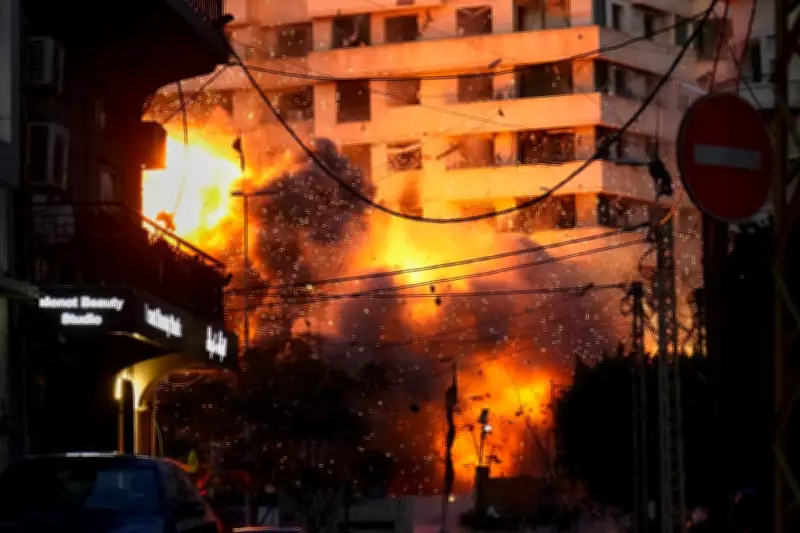
Iran Launches Retaliatory Strikes on Gulf Refineries After Israeli Attack
In a dramatic escalation of hostilities in the Middle East, Iran has launched retaliatory strikes against multiple oil refineries across the Gulf region. This aggressive move comes directly in response to a confirmed Israeli military strike on a major Iranian offshore natural gas field earlier this week. The exchange marks one of the most significant direct confrontations between the two regional powers in recent years, threatening to destabilize global energy markets and heighten geopolitical tensions.
Background: The Israeli Strike on Iranian Energy Infrastructure
The conflict ignited when Israeli forces targeted and struck a key Iranian offshore gas field in the Persian Gulf. This facility represented a critical component of Iran's energy export capabilities and national revenue stream. The precision strike, which occurred under contested circumstances, inflicted substantial damage on the gas extraction and processing infrastructure. Iranian officials immediately condemned the action as an act of aggression and vowed a swift and decisive response, setting the stage for the retaliatory measures that followed.
Scope and Impact of the Iranian Retaliation
Iran's counterstrike was not isolated but rather a coordinated assault on multiple refinery facilities operated by Gulf nations. While specific locations and the full extent of the damage remain under assessment by international observers, early reports indicate targeted attacks on refining capacity in the region. These refineries are pivotal nodes in the global oil supply chain, processing crude oil into gasoline, diesel, and other petroleum products for worldwide distribution.

The immediate consequences are twofold: a direct blow to the economic interests of Gulf states and a clear signal of Iran's military reach. Furthermore, the attacks introduce a new layer of risk to maritime security in the strategically vital Strait of Hormuz, a chokepoint for approximately one-fifth of the world's oil trade. Energy analysts are warning of potential spikes in global oil prices and increased insurance premiums for shipping in the region as markets react to the heightened instability.
Regional and Global Repercussions
This tit-for-tat exchange significantly raises the stakes in the long-standing shadow war between Iran and Israel. It moves the conflict from covert operations and proxy engagements into a more overt phase of state-on-state military action. The international community, including major powers and the United Nations, is likely to issue calls for immediate de-escalation to prevent a wider regional war.
The situation remains fluid and dangerously unpredictable. Key questions surround the potential for further escalation, the response from Gulf Cooperation Council (GCC) states whose infrastructure was targeted, and the role of international diplomatic channels in mediating a ceasefire. The incident underscores the fragile security architecture of the Middle East and the profound global impact of regional conflicts, particularly those involving the world's most important energy-producing region.