Iranian officials have announced they are considering a phased return of internet services, following an unprecedented nationwide communications blackout that lasted for ten days. This shutdown coincided with what rights organizations describe as a violent suppression of protests, resulting in a death toll reportedly numbering in the thousands.
Blackout Masks Violent Crackdown
The demonstrations, which began in late December fueled by widespread economic discontent, rapidly escalated into the most significant challenge to Iran's leadership in years. While Iranian authorities initially characterized the gatherings as peaceful before they devolved into what they called "riots," they have squarely placed blame on foreign influence, specifically pointing fingers at the United States and Israel.
According to rights monitors, the protests began to subside only after a severe crackdown by security forces. This operation was allegedly carried out under the cover of the communications blackout, which started on January 8, 2026, as the demonstrations grew in both size and intensity. Groups like Amnesty International have labeled the state's response a "massacre."

Verified Reports Detail Atrocities
Despite the severe restrictions on information flow, reports of significant violence managed to filter out. Amnesty International stated it verified numerous videos and eyewitness accounts showing security forces firing relentlessly at protesters from streets and elevated positions. The group's Iran researcher, Raha Bahreini, reported that hospitals were "overwhelmed with the injured."
In a separate assessment, the Norway-based Iran Human Rights (IHR) organization says it has verified the deaths of 3,428 protesters killed by security forces. The NGO compiled its figures using sources within Iran's health system, eyewitness testimonies, and other independent verification methods. IHR has cautioned that the actual number of fatalities is likely much higher. These figures cannot be independently confirmed by media, and Iranian officials have not provided an official death toll.
Calm Returns, Services Slowly Restored
Government officials have declared that calm has been restored. Schools reopened on Sunday, January 18th, after a week-long closure. The restoration of communications has been incremental. Outgoing international calls were reinstated on Tuesday, January 13th, and text messaging services came back online on the morning of Saturday, January 17th.
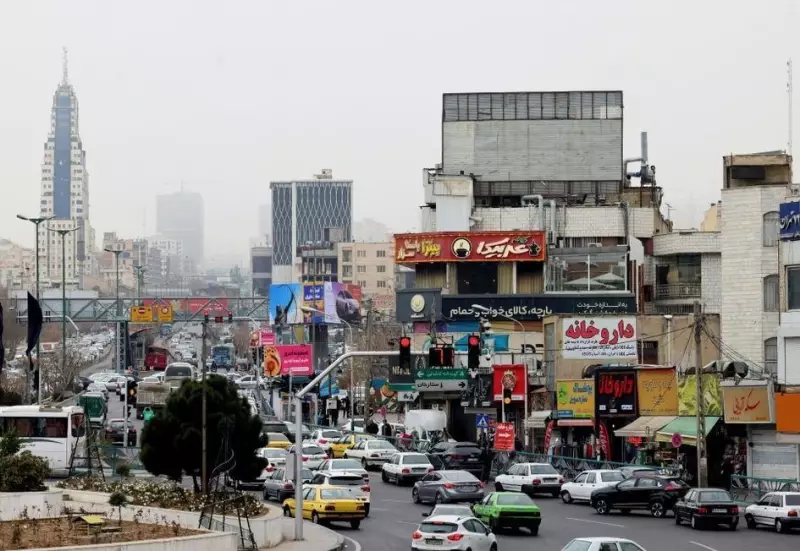
Late on that same Saturday, the Tasnim news agency reported that "internet access would also be gradually restored," citing relevant authorities. The agency, referencing an unnamed informed source, added that local messaging applications would soon be reactivated on Iran's domestic intranet. By Sunday morning, limited internet connectivity was observed in Tehran, though the vast majority of providers and mobile data services remained cut off.
Throughout the blackout, Iran maintained its national intranet, which allowed access to local media, banking platforms, ride-hailing, and delivery apps. The government's move to gradually reconnect the country to the global internet signals a tentative step towards normalcy after the deadliest period of civil unrest it has faced in years.