Iran Issues Fiery Warning to U.S. as Regional Diplomats Meet on Escalating Conflict
In a dramatic escalation of rhetoric, Iran has warned that any deployment of U.S. ground troops in the ongoing Middle East conflict would result in them being "set on fire." This stark threat comes as regional diplomats gather for urgent talks aimed at addressing the war's expanding dimensions and potential global repercussions.
Diplomatic Efforts Amid Rising Tensions
The warning was delivered against the backdrop of a high-stakes diplomatic meeting involving key regional players. Officials are convening to discuss strategies to de-escalate the conflict, which has already sparked concerns over international stability and economic disruptions. The talks are seen as a critical attempt to prevent further military entanglement and humanitarian crises.
Iran's statement underscores its firm opposition to foreign military intervention, particularly by the United States, which it views as a destabilizing force in the region. Analysts suggest that this rhetoric is intended to deter any potential ground operations by U.S. forces, while also rallying domestic and regional support against perceived external aggression.

Global Implications of the Conflict
The war has far-reaching consequences beyond the immediate battlefield. Experts point to disruptions in global supply chains, including a looming fertilizer shortage that threatens to drive up food prices worldwide. Additionally, the conflict has intensified debates over energy security and international alliances, with countries reassessing their diplomatic and economic ties in light of the ongoing hostilities.
Regional stability hangs in the balance as the diplomatic meetings proceed. The outcome of these discussions could shape not only the trajectory of the war but also the geopolitical landscape for years to come. Stakeholders are closely monitoring developments, aware that miscalculations could lead to broader regional or even global confrontations.
Military and Strategic Considerations
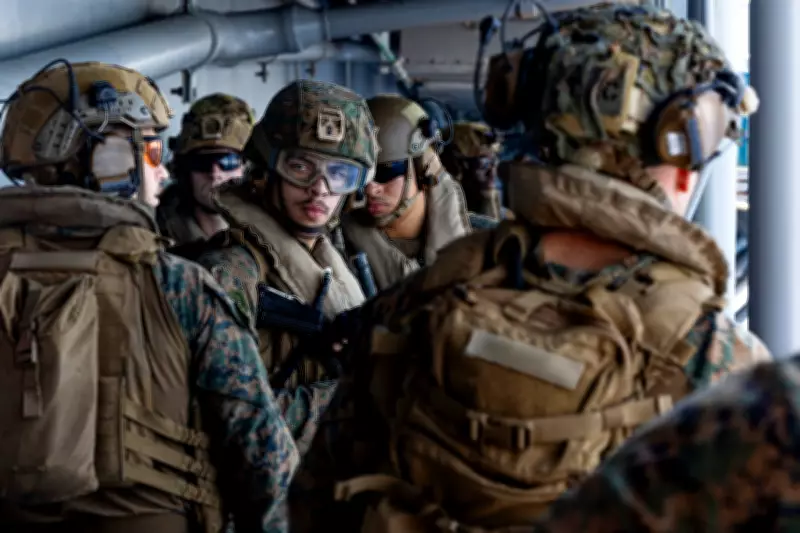
Iran's warning highlights the volatile nature of the conflict, where verbal threats are often precursors to military actions. The United States, while not explicitly confirming any plans for ground troop deployment, has maintained a presence in the region through naval and air assets. This posture is part of a broader strategy to protect allies and ensure freedom of navigation in key waterways.
The situation remains fluid, with both sides weighing their options amid diplomatic overtures. The international community is urging restraint and dialogue, emphasizing the need for peaceful resolutions to avoid further escalation. As talks continue, the world watches anxiously, hoping for a breakthrough that can avert a larger crisis.