Iran's Growing Desperation Heightens Risk of 'Last Gasp' Terror Attacks Across North America
Security analysts are sounding alarms about the escalating threat of domestic terrorism in North America as Iran faces mounting pressure in its ongoing conflict. Recent weeks have witnessed multiple violent incidents across both Canada and the United States, with several directly linked to the tensions surrounding Iran.
Recent Attacks Demonstrate Escalating Threat Landscape
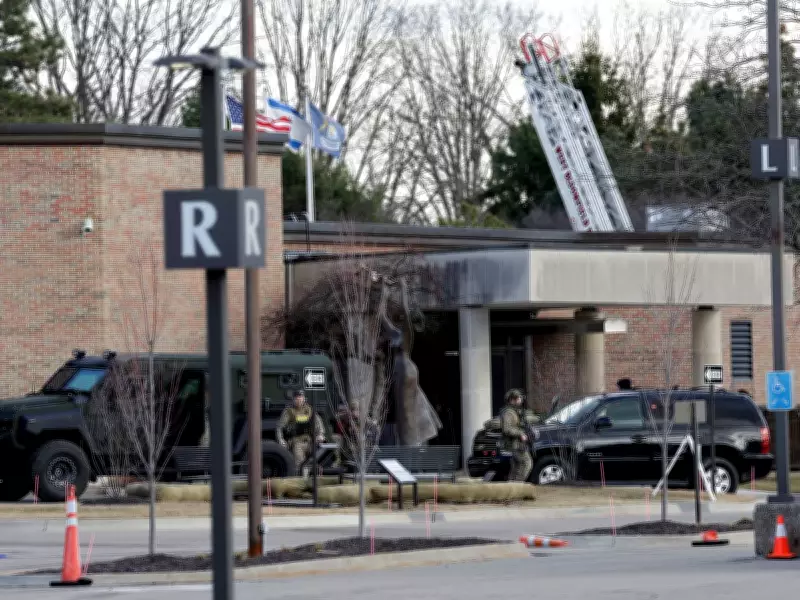
Multiple concerning incidents have already occurred throughout North America. On March 1, three individuals were fatally shot outside an Austin, Texas bar by a perpetrator expressing support for Iran. Just eleven days later, on March 12, a vehicle-ramming attack targeted a synagogue in the Detroit metropolitan area. The assailant in this case was identified as Ayman Mohamed Ghazali, whose brother is alleged to have been a Hezbollah commander killed by Israel during the current conflict.
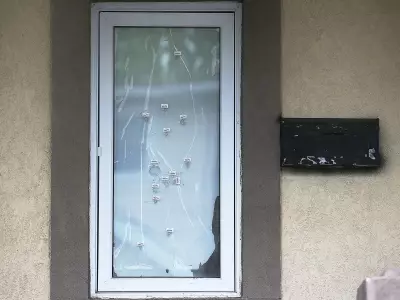
That same day, a convicted terrorist-supporter killed a man at a university in Virginia. Meanwhile, in Toronto, drive-by shootings have targeted the U.S. consulate and several synagogues since the war's commencement. Additionally, on March 9, two ISIS supporters attempted to use explosives at an anti-Islam rally in front of Gracie Mansion, the residence of New York City's Muslim mayor, Zohran Mamdami.

Expert Analysis Points to Dual Threat Spectrum
To assess the evolving risk landscape, security experts have provided detailed analysis. Javed Ali, a former FBI counterterrorism specialist who previously served at the U.S. National Counterterrorism Centre and on President Donald Trump's National Security Council, now teaches at the University of Michigan's Gerald R. Ford School of Public Policy.
"As the regime continues to face this relentless pressure, I think the potential for Iranian-directed attacks increases even further," Ali explained. "This conflict represents an existential threat to the Iranian regime, particularly following the recent killing of senior Iranian leader Ali Larijani. The regime finds itself in an increasingly difficult position regarding its upper leadership ranks."
Ali identifies two primary threat categories emerging from the current situation. On one end of the spectrum exists the potential for Iranian-directed operations organized and sponsored by the Quds Force, Iran's unconventional warfare division. The Quds Force has attempted to launch attacks against the United States homeland for approximately fifteen years, including multiple assassination plots.
Operational Challenges and Lone-Actor Threats
Despite this history, Ali notes that Iran faces significant operational challenges within North America. "Even when the Quds Force has attempted to execute plots here, they have typically fizzled out, been disrupted, or detected," he observed. "Iran lacks the same operational capabilities within the United States that it possesses in the Middle East, Europe, Latin America, and Asia, where it has conducted terrorist attacks for decades, either independently or in collaboration with Hezbollah. The domestic environment here presents greater difficulties for their operations."
The opposite end of the terrorism spectrum involves what security professionals term lone-offender or lone-wolf attacks. These incidents stem from individual anger regarding current events and operate completely independently of any Iranian direction, guidance, or support.
"We will probably witness an elevated level of lone-offender attacks," Ali predicted. "These present their own unique set of challenges. They are not backed by foreign governments nor affiliated with foreign terrorist organizations. Instead, we are dealing with individuals residing within the United States, who may or may not be American citizens, who have almost never been subjects of prior investigations and are not currently under surveillance. They typically have not committed previous crimes, and their behaviors often fail to alert family members, friends, or coworkers who might otherwise report them to law enforcement or local FBI offices."

Security Implications for North America
The convergence of these threat vectors creates a complex security environment for both Canadian and American authorities. The potential for state-sponsored operations combined with the unpredictable nature of lone-actor attacks requires sophisticated, multi-layered counterterrorism strategies. Security agencies must balance resources between monitoring potential foreign-directed plots and developing systems to identify individuals who might radicalize independently in response to international events.
As the conflict with Iran continues to evolve, security experts emphasize that North American nations must remain vigilant against both organized terrorist attempts and spontaneous acts of violence inspired by geopolitical tensions. The recent attacks serve as sobering reminders that international conflicts can have direct, violent consequences within domestic borders, necessitating continued cooperation between Canadian and American security agencies.