Israel Ramps Up Military Strikes as Trump Weighs Middle East Withdrawal
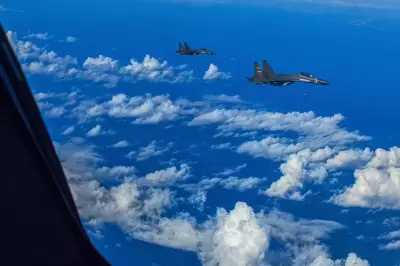
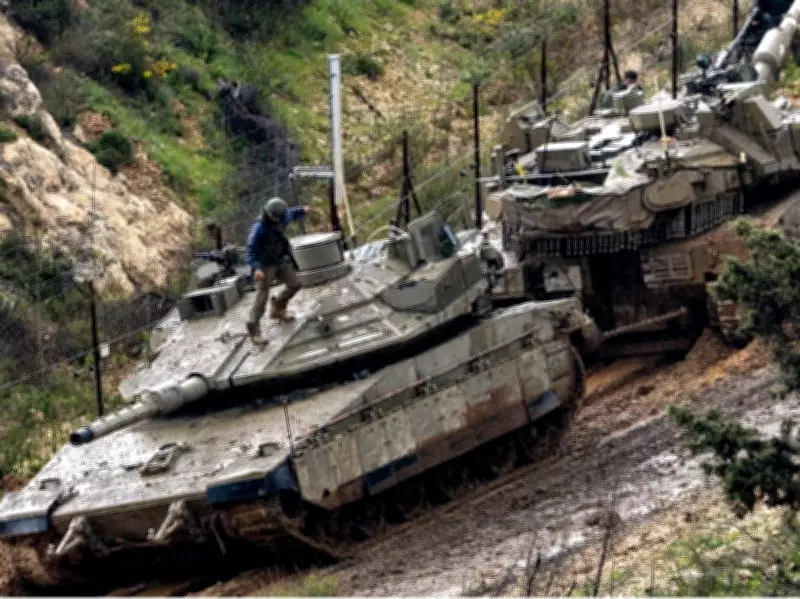
Israeli Defense Minister Israel Katz declared on Saturday that military operations against Iran will "increase significantly" in the coming week, marking a major escalation in the ongoing conflict. This announcement came just hours after U.S. President Donald Trump revealed he was considering "winding down" American military operations in the Middle East, creating a complex strategic landscape.
Conflict Intensifies with Rising Casualties
The U.S.-Israeli military campaign against Iran shows no signs of abating, with recent developments indicating a protracted engagement. According to latest reports:
- Death tolls have climbed to over 1,300 people in Iran
- More than 1,000 casualties reported in Lebanon
- 15 fatalities in Israel and 13 U.S. military members killed
Meanwhile, the United States has deployed additional warships and Marines to the region as Iran threatens to target tourist destinations worldwide, raising global security concerns.

International Condemnation and Diplomatic Pressure
A coalition of 22 nations, including major global powers, has issued a joint statement condemning Iran's military actions and calling for immediate de-escalation. Countries participating in this diplomatic initiative include:
- United Arab Emirates and Bahrain
- United Kingdom, Germany, and France
- Japan, South Korea, and Australia
These nations have specifically urged Iran to reopen the Strait of Hormuz, a critical maritime passage for global oil shipments that has been affected by the conflict. "The effects of Iran's actions will be felt by people in all parts of the world, especially the most vulnerable," the joint statement emphasized.
Nuclear Facility Attack and Radiation Concerns
Iran's Natanz nuclear enrichment facility was struck by an airstrike on Saturday, though the International Atomic Energy Agency (IAEA) reported no detectable radiation leakage or increased radiation levels at the site. This marks at least the second time the facility has been targeted during the conflict, following previous strikes in June 2025.
The IAEA confirmed receiving notification from Iranian authorities about the attack and is conducting investigations, but maintains that "no radiological consequence" is expected from the damage to the nuclear site located approximately 220 kilometers southeast of Tehran.
Regional Military Developments
While Israel prepares for intensified operations, other regional actors remain engaged in defensive actions. Saudi Arabia reported intercepting 20 drones within hours on Saturday, demonstrating the widespread nature of aerial threats throughout the region.
Iranian President Masoud Pezeshkian attempted to downplay tensions with neighboring countries, stating on social media that Iran has "no dispute" with regional partners and suggesting that "the only beneficiary of our differences is the Zionist entity"—referring to Israel.
As Defense Minister Katz outlined Israel's plans for increased military pressure, he emphasized coordinated actions with American forces: "This week, the intensity of the attacks that the IDF and the U.S. military will carry out against the Iranian terrorist regime and against the infrastructures on which it relies will increase significantly."
The conflicting signals from Israeli escalation and potential American drawdown create uncertainty about the conflict's trajectory, with diplomatic efforts continuing alongside military operations.