Mexico Braces for Escalating Violence After Army Kills Jalisco Cartel Leader
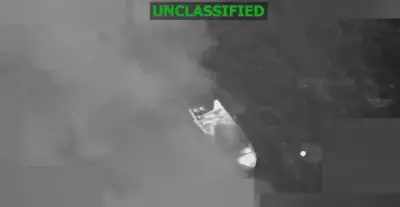
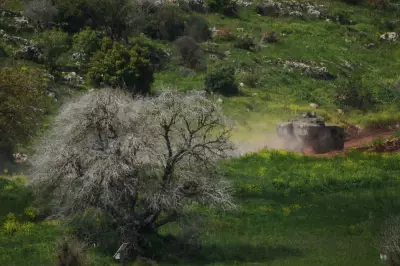
Mexican authorities are on high alert, anticipating a surge in violent reprisals following the military operation that resulted in the death of Nemesio Ruben Oseguera Cervantes, the notorious leader of the Jalisco New Generation Cartel (CJNG). Known widely by his alias "El Mencho," Oseguera Cervantes was killed in a confrontation with army forces, an event that has sent shockwaves through the country's security landscape.
Immediate Fallout and Public Unrest
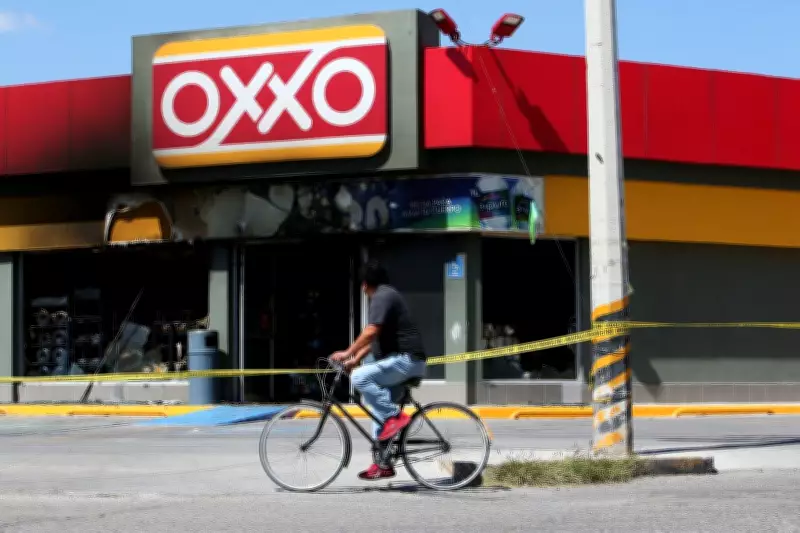
In the immediate aftermath of the operation, incidents of public unrest have been reported, including the arson of a convenience store in San Francisco del Rincón, Guanajuato state. This act of vandalism underscores the volatile atmosphere gripping regions under the cartel's influence. The Mexican government has issued warnings to residents and tourists alike, urging heightened vigilance as the power vacuum left by El Mencho's demise could trigger internal cartel conflicts and attacks on security forces.
Impact on Canadian Citizens and Travel Advisories
The escalating situation has directly affected foreign nationals, with Canadian authorities issuing directives for citizens in affected Mexican states to shelter in place. Reports from Canadians in popular resort areas like Puerto Vallarta describe chaotic scenes, including flight cancellations and localized violence. The Canadian government has advised travelers to "keep a low profile" and avoid non-essential movement, reflecting the severity of the security threat.

Broader Security Implications and Cartel Dynamics
El Mencho's death marks a significant blow to the CJNG, one of Mexico's most powerful and violent drug trafficking organizations. However, security analysts caution that his elimination may not cripple the cartel but could instead lead to fragmented leadership and increased brutality as factions vie for control. This development poses a critical test for Mexico's ongoing efforts to combat organized crime, with potential spillover effects on border security and international relations.
The Mexican army's operation, while a tactical success, highlights the persistent challenges in dismantling cartel networks. Experts emphasize that sustained intelligence and community-based strategies are essential to prevent a resurgence of violence. As the situation unfolds, the international community watches closely, with implications for trade, tourism, and bilateral security cooperation.