NATO Allies in Europe and Canada Ramp Up Defense Spending by 20% in 2025
NATO's European members and Canada have significantly increased their defense budgets for the second consecutive year, with a nearly 20% rise in 2025. This surge comes in response to mounting geopolitical pressures, including demands from U.S. President Donald Trump and escalating threats from Russia following the ongoing conflict in Ukraine.
Substantial Financial Commitment
The additional defense spending amounted to a staggering US$574 billion in 2025 compared to the previous year, according to estimates released by the North Atlantic Treaty Organization. This financial boost reflects a strategic shift within the alliance, as European nations and Canada move to bolster their military capabilities and reduce reliance on American support.
Shifting Dynamics Within NATO
For decades, the United States has dominated NATO's defense expenditures, but recent years have seen a notable change. President Trump has persistently urged allies to increase their military investments, questioning the traditional burden-sharing arrangement. This pressure, combined with concerns that Russia might expand its aggression beyond Ukraine, has prompted European countries to accelerate their defense spending.

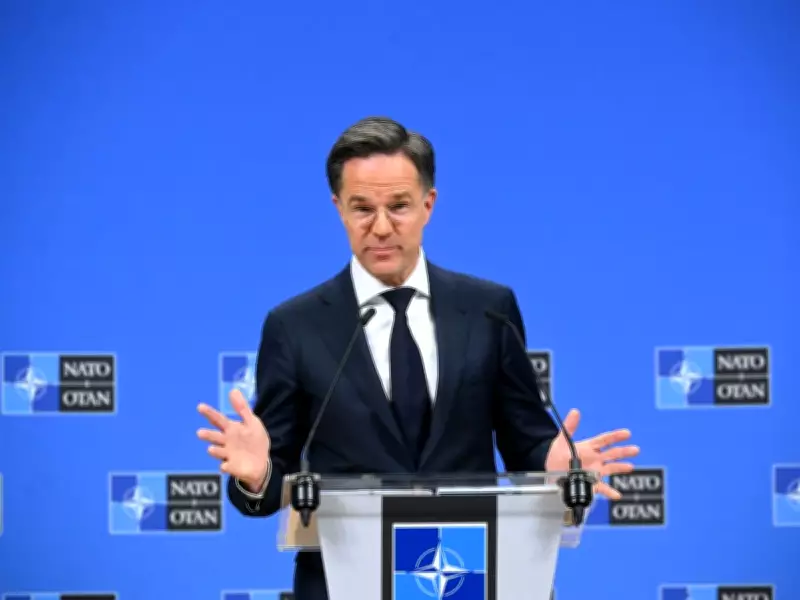
NATO Secretary General Mark Rutte emphasized this transformation during a press conference in Brussels. "For too long, European allies and Canada were overly reliant on U.S. military might," Rutte stated. "But there has been a real shift in mindset."
Leading Nations and New Targets
The latest figures reveal that several nations are now outpacing the United States in defense spending relative to their economic output. Poland, Lithuania, and Latvia have already exceeded a new target of spending 3.5% of their gross domestic product on military equipment and personnel. This benchmark was part of a broader initiative pushed by Trump, which aims for allies to allocate 5% of GDP to defense by 2035, including 1.5% for security-related areas like cybersecurity and infrastructure.
Despite these advances, the U.S. continues to outspend all other NATO allies combined in absolute terms. However, the 2025 agreement marks a pivotal moment for the alliance, which has been revitalized since Russia's invasion of Ukraine in 2022. Rutte leveraged these heightened expectations to secure renewed commitments from the U.S. regarding NATO's collective defense clause.
Transformation of Europe's Defense Industry
The influx of funds is catalyzing a profound transformation across Europe, where the defense sector had remained largely dormant since the Cold War era. This revitalization is not only enhancing military readiness but also stimulating economic growth and technological innovation within the industry.
Diplomatic Challenges and Regional Tensions
Rutte's strategy of accommodating and praising Trump has generally succeeded in maintaining U.S. engagement with NATO, though it has occasionally strained relations with other allies. The ongoing U.S.-Israeli conflict with Iran has further tested this approach, with Rutte publicly endorsing Trump's actions against Iran while many European countries express reservations.
"Iran now has capabilities that are increasingly dangerous for allies," Rutte remarked, commending U.S. efforts to mitigate these threats. Nonetheless, some NATO members have voiced concerns about being drawn into the conflict, and European leaders have resisted Trump's calls to assist in reopening the Strait of Hormuz, a critical maritime chokepoint currently threatened by Iran.
As NATO navigates these complex dynamics, the substantial increase in defense spending underscores a collective commitment to strengthening security and adapting to an increasingly volatile global landscape.