NATO continues its strategic operations and diplomatic engagements even as former U.S. President Donald Trump's renewed interest in purchasing Greenland introduces fresh geopolitical tensions. The alliance's activities underscore its enduring role despite potential challenges from a key member state.
Diplomatic Front: Rutte's Visit to Croatia
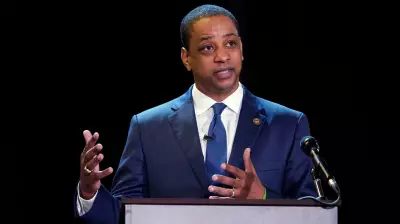
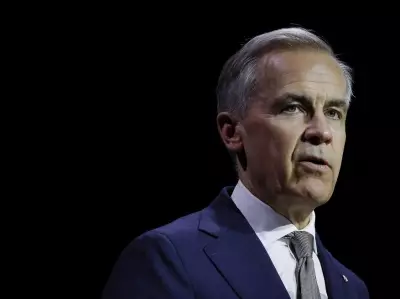
On Monday, January 12, 2026, NATO Secretary General Mark Rutte was officially welcomed in Zagreb by Croatian Prime Minister Andrej Plenkovic. The visit, documented by Associated Press photographer Darko Bandic, represents a routine but vital element of NATO's internal diplomacy, reinforcing bonds between member states. Such engagements are crucial for maintaining consensus and solidarity within the 31-nation bloc, especially during periods of external pressure or divergent national interests among its members.
The Greenland Question and Alliance Dynamics
The backdrop to this diplomatic activity includes the re-emergence of a contentious issue from Trump's first term: the potential acquisition of Greenland. As an autonomous territory within the Kingdom of Denmark, a founding NATO member, any move by the United States to pursue sovereignty over Greenland would create a profound diplomatic and strategic dilemma for the alliance.

Such an action would test NATO's foundational principles of consensus and mutual respect among sovereign members. It would force allies to navigate between supporting a fellow member state, Denmark, and managing relations with the United States, the alliance's most powerful military and financial contributor. The situation highlights how national policies of member states can directly impact the cohesion and operational focus of the collective.
NATO's Enduring Mechanism
Despite these potential fissures, NATO's institutional machinery persists. The alliance operates through a complex system of collective decision-making, integrated military command structures, and regular diplomatic consultations. Visits like Rutte's to Croatia are part of this continuous process of reassurance and coordination.
The organization is designed to withstand political shifts within its member countries, relying on the bedrock commitment to collective defense as outlined in Article 5 of the North Atlantic Treaty. Current operations, from enhanced forward presence in Eastern Europe to training missions in Iraq, continue unabated. The underlying premise is that the strategic value of the alliance transcends the political cycles of its individual members.
As the geopolitical landscape evolves with statements from former President Trump, NATO's immediate response is not one of public confrontation but of steady, behind-the-scenes diplomacy and maintained operational readiness. The alliance's history suggests its greatest strength lies in its ability to adapt and endure through periods of internal disagreement, focusing on the shared security interests that have bound its members together for over seven decades.