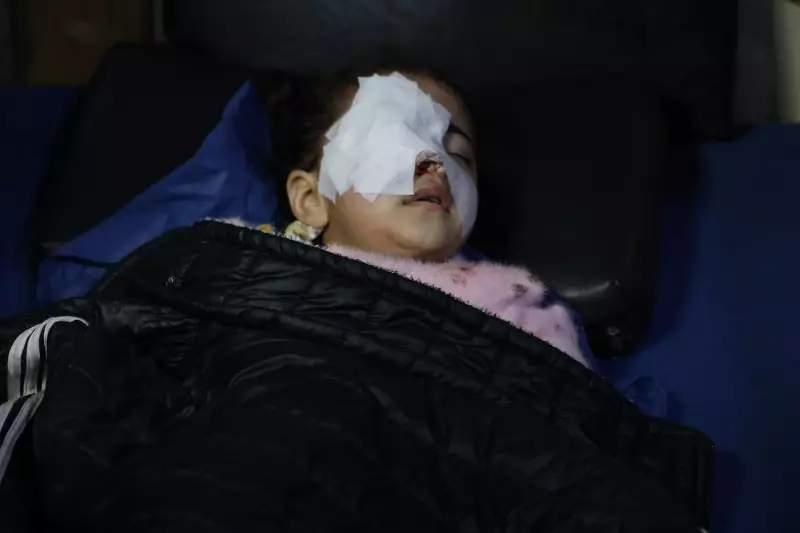
Intense and deadly fighting has once again broken out in the northern Syrian city of Aleppo, pitting Syrian government forces against Kurdish-led fighters. The clashes mark a significant escalation in tensions within the war-torn country.
Details of the Aleppo Confrontation
The new violence erupted on January 06, 2026, according to reports. The exact trigger for the latest confrontation remains unclear, but it underscores the fragile and complex security landscape in Syria, where multiple factions vie for control even years after the peak of the civil war.
Aleppo, Syria's largest city and a key economic hub, has been a focal point of conflict for over a decade. While recaptured by Syrian government forces with Russian backing several years ago, elements of the region remain contested, particularly areas where Kurdish groups hold influence.

Broader Regional Context and U.S. Action
This outbreak of violence occurs against a backdrop of continued international involvement in Syria. In a related development, the Trump administration launched large-scale strikes on more than 70 ISIS targets in Syria. This military action was described as retaliation for an attack that killed American personnel.
These simultaneous events—internal clashes between Syrian and Kurdish forces and external strikes by the U.S. against ISIS—illustrate the multi-layered nature of the conflict. Syria remains a theatre where local disputes, regional power struggles, and international counter-terrorism operations dangerously intersect.
Implications for Stability
The renewed fighting in Aleppo threatens to destabilize further an area that has seen relative calm compared to the intense battles of the early 2020s. It poses a direct challenge to the Syrian government's authority in the north and risks drawing in other regional actors.
For Kurdish groups, such clashes represent an ongoing struggle for autonomy and rights within Syria's borders, often placing them at odds with the central government in Damascus. The situation remains fluid, with the potential for rapid escalation given the array of armed groups present in the region.
Analysts warn that without a durable political solution addressing the root causes of the Syrian conflict and the status of its Kurdish population, sporadic but deadly clashes like those seen in Aleppo are likely to continue, hindering any meaningful recovery for the nation's battered population.