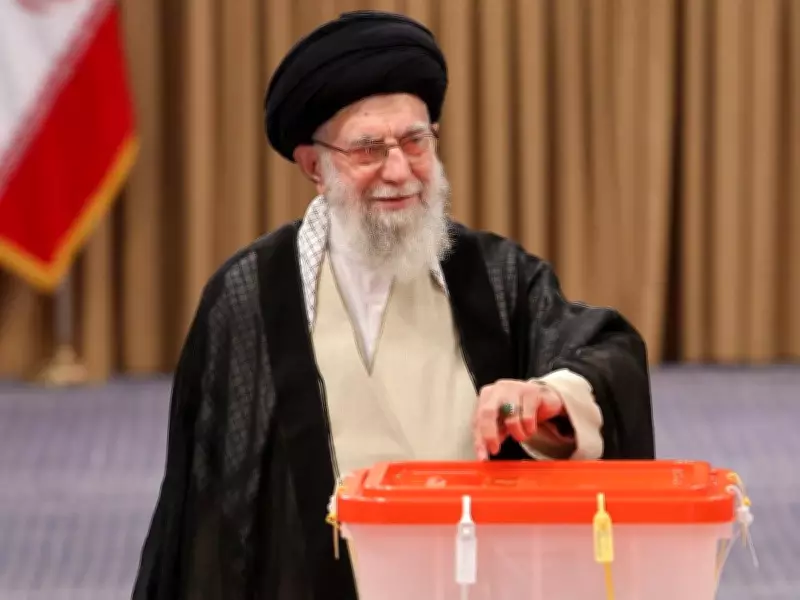
Global Reaction to the Death of Iran's Supreme Leader Ali Khamenei
In a development that has sparked widespread international attention, the death of Iran's Supreme Leader Ayatollah Ali Khamenei is being celebrated by many around the world. Reports confirm his demise after years of leadership marked by severe oppression and violence.
A Legacy of Atrocities and Human Rights Abuses
Ali Khamenei served as Supreme Leader since 1989, following a term as president from 1981 to 1989. Over his 45-year tenure, he is widely regarded as the primary architect of the Iranian regime's brutal policies. Key incidents attributed to his rule include the downing of Flight PS752 in January 2020, which resulted in the deaths of 176 people, including 55 Canadian citizens and numerous others with ties to Canada.
Furthermore, recent protests in Iran over rising food prices led to the killing of an estimated 30,000 to 40,000 demonstrators, actions directly linked to Khamenei's directives. The 2022 death of Mahsa Amini, a 22-year-old woman beaten by morality police for improper hijab wear, also underscores the regime's harsh enforcement of social controls under his leadership.

Iran's Role as a State Sponsor of Terrorism
Under Khamenei, Iran has emerged as a leading state sponsor of terrorism globally. The regime has supported proxy groups such as Hamas, Hezbollah, and the Houthis in Yemen, while arming militias across countries like Iraq, Bahrain, Syria, and Pakistan. Terror attacks linked to Iran have occurred in over 40 nations, from Lebanon to Argentina, highlighting its disregard for international sovereignty.
This pattern of aggression makes Iran's recent calls for sovereignty protection at the United Nations Security Council appear hypocritical, given its long history of violating other nations' borders.
Support for Russia's War in Ukraine
Iran's involvement extends to the conflict in Ukraine, where it has supplied drone technology to Russia. These Iranian-made drones have been used in attacks on civilian infrastructure, including schools and hospitals, exacerbating the humanitarian crisis in Ukraine. This support underscores Iran's role in destabilizing global security.
International and Canadian Responses
Canadian Prime Minister Mark Carney issued a statement affirming support for United States actions against Iran, stating, "Canada's position remains clear: The Islamic Republic of Iran is the principal source of instability and terror throughout the Middle East, has one of the world's worst human rights records, and must never be allowed to obtain or develop nuclear weapons." He emphasized backing U.S. efforts to prevent Iran from acquiring nuclear capabilities and threatening international peace.
However, public opinion in Canada shows division, with many opposing the strikes due to dislike for U.S. President Donald Trump, rather than assessing the action on its merits. This highlights a tendency for decisions to be influenced by perceptions of American leadership rather than national interests.
Hope for a New Era in Iran
With Khamenei's death, there is renewed hope for a transformation in Iran. Advocates call for freedom for the Iranian people and peace in the Middle East, envisioning a future less marred by oppression and violence. The international community watches closely, anticipating potential shifts in regional dynamics and human rights improvements.
In summary, the end of Ali Khamenei's rule is seen by many as a pivotal moment, offering a chance for Iran to move away from decades of terror and toward a more just society.