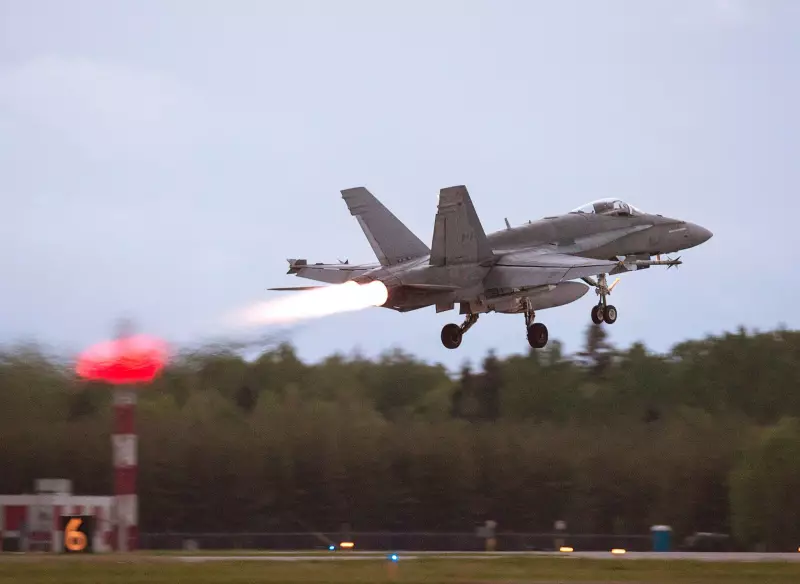
The North American Aerospace Defense Command (NORAD) has announced the arrival of its aircraft in Greenland for a series of what it describes as "long-planned" activities. The joint Canada-United States command confirmed the deployment, underscoring the routine and pre-scheduled nature of the operations in the strategically important Arctic region.
Details of the Deployment and Strategic Context
The announcement was made public on January 19, 2026. While the specific types and numbers of aircraft involved were not detailed in the initial release, historical NORAD operations often involve a mix of fighter jets, such as the Royal Canadian Air Force's CF-18 Hornets, and surveillance aircraft. The command emphasized that these activities were not a response to any immediate threat but part of regular training and readiness exercises essential for continental defense.
This deployment occurs against a complex geopolitical backdrop in the Arctic, a region of growing strategic interest due to climate change and resource exploration. The timing is notable, as it follows renewed international discourse on Greenland's status, including past expressions of interest from the Trump administration. However, NORAD's statement firmly positions this movement as separate from any political developments, focusing solely on defense preparedness.

NORAD's Role in Arctic Sovereignty and Security
NORAD, a binational command established in 1958, is a cornerstone of Canadian and American security cooperation. Its core mission is the aerospace warning and control for North America. Exercises in the High Arctic, including around Greenland, are critical for maintaining operational capability in extreme environments and demonstrating a presence in Canada's northern approaches.
The "long-planned" nature of these activities highlights the command's ongoing commitment to Arctic operations, which include surveillance, interception drills, and coordination with regional partners. These exercises ensure that personnel and equipment are proficient in the unique challenges posed by the Arctic climate and vast distances.
Broader Implications for Canadian Defense Policy
This routine deployment aligns with Canada's stated objectives to assert sovereignty and enhance security in the North. The Canadian government has previously committed to modernizing NORAD capabilities, including investing in new surveillance technology and infrastructure to better monitor Arctic airspace. Activities in Greenland, which is under Danish sovereignty but geographically central to the North American Arctic, reinforce the interconnected nature of regional defense.
While the command's release was succinct, it serves as a reminder of the persistent military activity required to monitor and secure northern territories. It also reaffirms the enduring partnership between Canada and the United States in safeguarding continental security, a partnership that operates continuously regardless of the political cycle.
As the Arctic continues to gain strategic prominence, such NORAD deployments are likely to remain a visible and regular feature of North American defense posture, ensuring both nations are prepared to respond to any potential challenges in their northern frontier.