Prime Minister Mark Carney is embarking on a significant diplomatic journey to Norway, where he will observe NATO military exercises and engage in high-level talks with the Norwegian Prime Minister. This visit underscores Canada's steadfast dedication to the North Atlantic Treaty Organization and its strategic partnerships in the region.
Strengthening Alliance Ties Through Direct Engagement
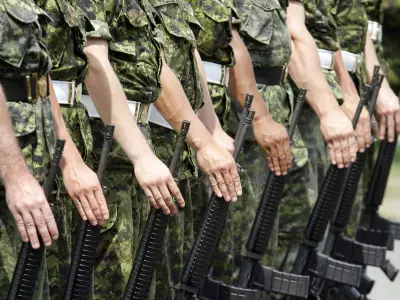
The trip, scheduled for early March 2026, highlights the importance of personal diplomacy in fostering international cooperation. Carney's presence at the NATO exercises serves as a visible demonstration of Canada's active role in collective defense initiatives. These drills are designed to enhance interoperability among member states and ensure readiness in response to evolving global security challenges.
Key Objectives of the Norwegian Visit
During his stay, Prime Minister Carney will participate in a series of meetings aimed at bolstering bilateral relations between Canada and Norway. Discussions are expected to cover a wide range of topics, including:

- Defense and security collaboration within the NATO framework
- Shared interests in Arctic sovereignty and development
- Economic partnerships and trade opportunities
- Joint efforts in addressing climate change and environmental preservation
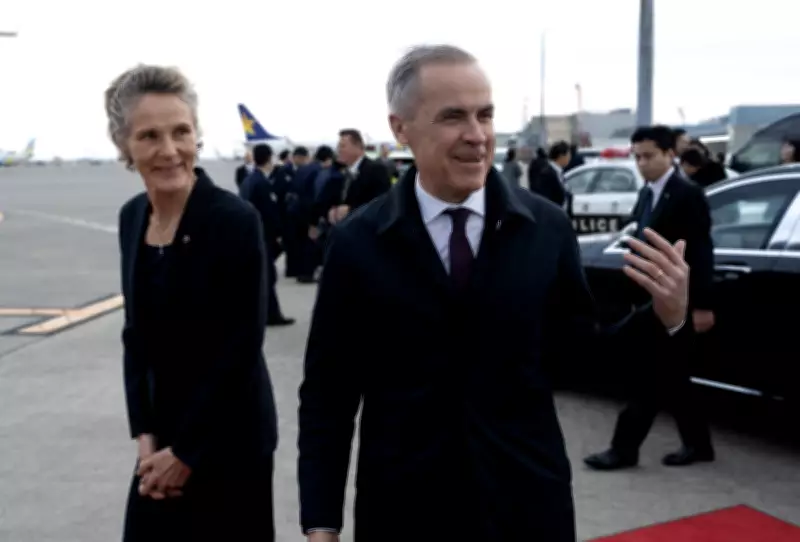
This visit follows Carney's recent engagements in Japan, where he emphasized Canada's commitment to global stability. The timing of the Norway trip is particularly noteworthy, as it occurs amidst heightened geopolitical tensions and ongoing debates about defense spending among NATO allies.
Context and Implications for Canadian Foreign Policy
Carney's journey to Scandinavia reflects a broader strategy of reinforcing Canada's international presence through direct leader-to-leader dialogue. Observing the NATO exercises firsthand allows the Prime Minister to assess the alliance's capabilities and contribute to strategic planning discussions.
The bilateral meeting with Norway's Prime Minister provides an opportunity to align policies on critical issues such as Arctic security, which is of mutual concern given both nations' northern territories. This engagement is likely to yield joint statements or agreements that could shape future cooperative ventures.
As Canada continues to navigate complex global dynamics, visits like this one play a crucial role in maintaining strong alliances and promoting shared values. The outcomes of these discussions may influence Canada's defense posture and its contributions to NATO missions in the coming years.