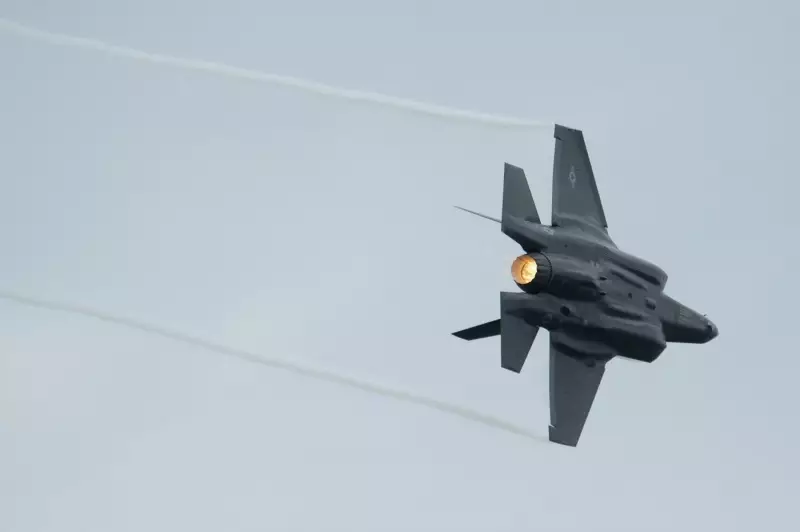
The Royal Canadian Air Force (RCAF) is launching a significant expansion of its security forces, with plans to add more than 1,200 personnel dedicated to protecting its fleet of advanced aircraft, including the incoming F-35 Lightning II fighter jets.
A Major Security Investment for New Assets
This substantial request for security staff underscores the high value and sensitivity of Canada's new military hardware. The centerpiece of this enhanced protection detail is the fleet of F-35A Lightning II stealth fighters, which Canada is procuring to replace its aging CF-18 Hornets. These fifth-generation aircraft represent a multibillion-dollar investment and contain cutting-edge technology deemed critical to national security.
The need for heightened security was formally outlined in a recent announcement. The personnel would be tasked with a range of duties, from physical security at air bases to cybersecurity measures for the aircraft's sophisticated systems. This move highlights the evolving nature of military defense, where protecting physical assets from theft, sabotage, or espionage is as crucial as their operational capabilities.

Beyond the F-35: A Broader Protective Mandate
While the F-35 program is a primary driver, the requested security contingent is not limited to guarding just the new fighters. The force would also be responsible for other strategic aircraft within the RCAF's inventory. This includes transport planes, surveillance aircraft, and search-and-rescue helicopters that are vital for both domestic operations and international missions.
The plan indicates a proactive approach by military planners. By securing the necessary personnel well in advance of the F-35s' full delivery and integration, the RCAF aims to ensure a seamless and secure transition to its new combat capability. This foresight is intended to prevent any security gaps that could be exploited.
Implications for Recruitment and Defense Posture
Recruiting and training over 1,200 qualified security personnel will be a considerable undertaking for the Canadian Armed Forces. It will require a focused recruitment campaign and specialized training programs to meet the unique demands of guarding advanced military technology.
This initiative signals a clear commitment to hardening Canada's defense infrastructure. As global tensions underscore the importance of military readiness, protecting key assets from both conventional and asymmetric threats becomes paramount. The bolstered security force is designed to act as a robust deterrent, ensuring that Canada's air power remains fully operational and secure in any scenario.
The announcement, made public in early January 2026, sets the stage for a significant reshaping of the RCAF's support structure, aligning its protective services with the advanced technology of its future fleet.