Pope Leo XIV Calls on Clergy to Eschew Artificial Intelligence for Sermon Preparation
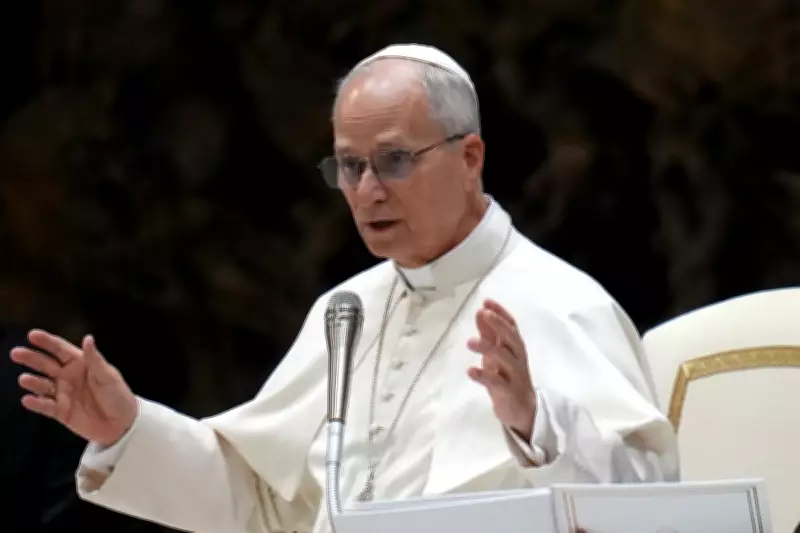
In a significant directive from the Vatican, Pope Leo XIV has explicitly advised priests to avoid utilizing artificial intelligence technologies when crafting their sermons. This guidance was delivered during his weekly general audience held in the Paul VI Hall, underscoring a firm stance on maintaining the human and spiritual essence in religious discourse.
Emphasizing Personal Reflection and Authentic Connection
The Pope highlighted that sermon writing should stem from deep personal reflection, prayer, and a genuine connection to faith, rather than relying on automated tools. He expressed concerns that AI-generated content might lack the heartfelt sincerity and theological depth required for effective spiritual guidance. By encouraging clergy to draw directly from scripture and their own experiences, Pope Leo XIV aims to preserve the authenticity and emotional resonance of religious teachings.
This move reflects broader Vatican apprehensions about the encroachment of technology into sacred practices. While the Catholic Church has historically adapted to technological advancements, the Pope's statement signals a cautious approach to AI, particularly in areas involving personal faith and moral instruction. The directive is seen as a call to prioritize human intuition and divine inspiration over algorithmic efficiency.

Broader Implications for Religious Communities
The Pope's advice comes at a time when AI tools are becoming increasingly prevalent across various sectors, including education and healthcare. In religious contexts, some clergy have experimented with AI to generate sermon outlines or ideas, but Pope Leo XIV's guidance may prompt a reevaluation of such practices. The emphasis is on ensuring that sermons remain a product of spiritual labor and pastoral care, fostering a more meaningful engagement with congregations.
This development is part of ongoing discussions within the Church about balancing tradition with modernity. It also aligns with global debates on the ethical use of AI, particularly in sensitive domains like religion and ethics. By taking this stand, Pope Leo XIV reinforces the value of human creativity and spiritual dedication in an increasingly digital world.
As the Church navigates the challenges of the 21st century, this directive serves as a reminder of the enduring importance of personal touch in religious leadership. Clergy worldwide are expected to heed this call, focusing on cultivating their own insights to inspire and guide their communities effectively.