In a significant escalation of the ongoing conflict, Russian forces have launched another major assault on Ukraine's critical energy infrastructure. The attacks, which took place in January 2026, targeted the nation's power grid, causing widespread disruption as diplomatic efforts for a peaceful resolution continued.
New Wave of Strikes on Critical Infrastructure
The offensive represents a continued strategy by Russia to weaken Ukrainian civilian infrastructure and military resilience. The timing of the bombardment is notable, coinciding with renewed diplomatic activity spearheaded by the United States. Officials from multiple nations were actively engaged in peace talks, seeking a potential breakthrough to end the years-long war.
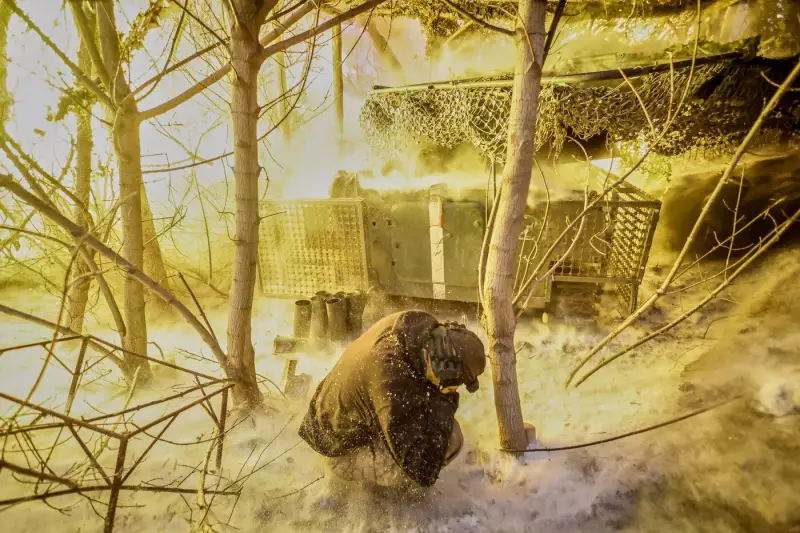
Visual evidence from the conflict zone underscores the intensity of the fighting. A photo released by Ukraine's 24th Mechanized Brigade press service on Sunday, January 18, 2026, shows Ukrainian servicemen operating a 2S1 Gvozdika self-propelled howitzer. The artillery piece was fired toward Russian positions near the strategically important town of Chasiv Yar, located in the Donetsk region.

Diplomatic Efforts Face Military Reality
While negotiators worked behind the scenes, the situation on the ground remained fiercely contested. The assault on the power grid is a tactic Russia has employed repeatedly throughout the war, aiming to cripple Ukraine's economy, disrupt civilian life, and hamper military logistics during the harsh winter months. Each wave of attacks necessitates massive and costly repair efforts by Ukrainian engineers, often under dangerous conditions.
The persistence of these strikes highlights the challenging environment for diplomacy. Peace talks, led by U.S. officials, are attempting to find a political solution to a conflict that shows little sign of abating on the battlefield. The simultaneous occurrence of high-level negotiations and severe military action illustrates the complex and multi-faceted nature of the war.
Broader Implications and Regional Stability
This latest escalation serves as a stark reminder of the war's devastating human and economic toll. Attacks on essential services like electricity have profound consequences for millions of Ukrainian citizens, affecting heating, water supply, and communication. The international community continues to monitor the situation closely, with many nations providing military and humanitarian aid to Ukraine.
The outcome of both the military campaigns and the parallel peace talks will have significant implications for European security and global geopolitical stability. As of late January 2026, the path to a lasting ceasefire remains uncertain, with military actions on the ground directly influencing the dynamics at the negotiation table.