Russian Drone Attack in Odesa Claims Life and Injures Children Amid Ongoing Conflict
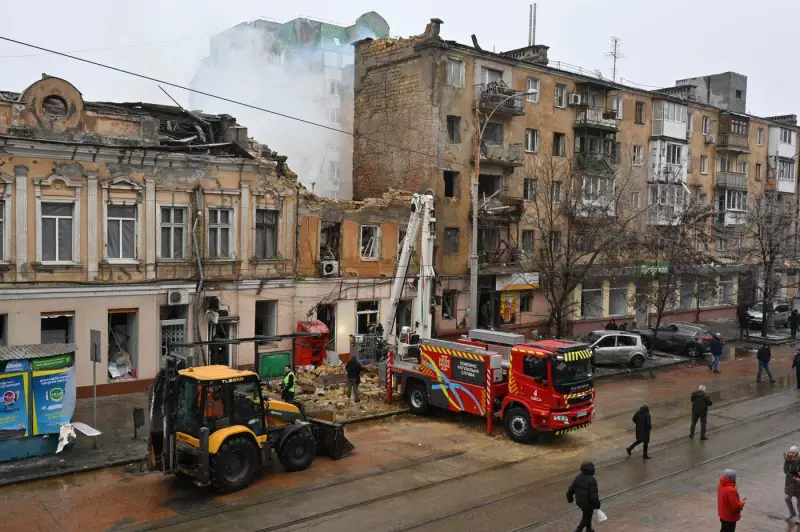
In a tragic escalation of hostilities, Russian drones struck a residential building in Odesa, Ukraine, on Tuesday, January 27, 2026, resulting in one death and injuries to children. The attack has intensified calls for diplomatic resolution as Ukrainian President Volodymyr Zelenskyy urges faster international efforts to end the war.
Details of the Drone Strike and Its Aftermath
According to reports from The Associated Press, rescue workers were seen clearing rubble from the heavily damaged structure in Odesa following the strike. The incident underscores the persistent threat to civilian areas in Ukraine, with children among the victims, highlighting the humanitarian toll of the conflict that has now extended into 2026.
President Zelenskyy responded to the attack by emphasizing the need for speedier diplomacy, stating that delays in negotiations only lead to more suffering. This call comes as the war continues to strain global relations and domestic resources in Ukraine, with no immediate end in sight.

Broader Context of the Russia-Ukraine War
The drone strike in Odesa is part of a broader pattern of Russian military actions that have targeted urban centers throughout the conflict. Since its inception, the war has resulted in thousands of casualties, widespread displacement, and significant infrastructure damage across Ukraine.
International observers note that such attacks often precede or coincide with diplomatic maneuvers, making Zelenskyy's plea for accelerated talks particularly urgent. The global community remains divided on responses, with some nations pushing for stronger sanctions against Russia while others advocate for peace talks.
Impact on Civilian Life and Future Prospects
The injury of children in this latest strike has sparked outrage and renewed focus on the war's impact on vulnerable populations. Humanitarian organizations report that access to medical care and safe shelters remains a critical challenge in conflict zones like Odesa.
As the war drags on, analysts suggest that diplomatic efforts may face increasing obstacles, including geopolitical shifts and domestic pressures in involved countries. However, Zelenskyy's appeal signals a continued commitment to seeking a peaceful resolution, albeit against a backdrop of ongoing violence.
In summary, the Russian drone attack in Odesa serves as a stark reminder of the war's devastating human cost, with President Zelenskyy's call for faster diplomacy highlighting the urgent need for international action to prevent further tragedies.