Security Experts Urge PM Carney to Discard Chinese Premier's Gifted Action Camera
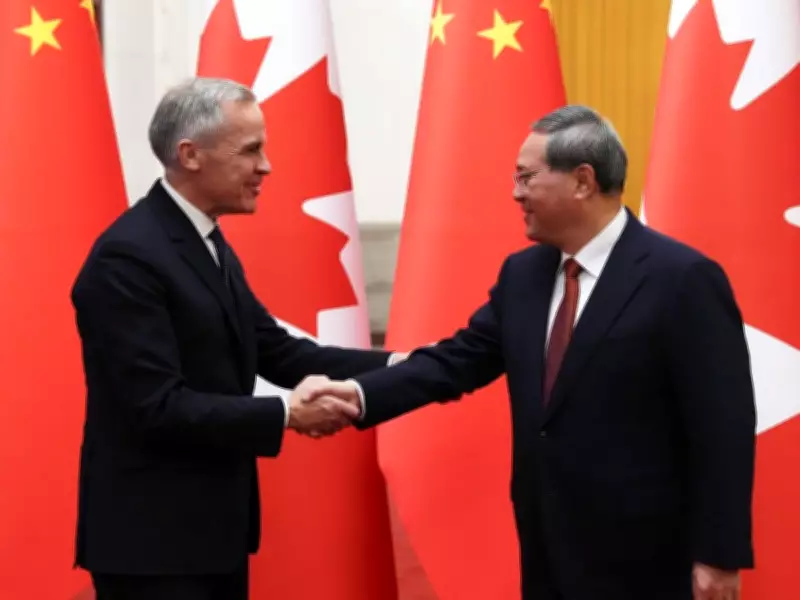
Canadian Prime Minister Mark Carney returned from his diplomatic visit to China in January with more than just trade agreements and policy commitments. According to newly released filings with the federal ethics commissioner, the prime minister received an assortment of diplomatic gifts from Chinese officials, including a high-end action camera from Premier Li Qiang that has raised significant security concerns among national security experts.
Diplomatic Gifts Revealed in Ethics Filings
While the exchange of gifts between political leaders is standard diplomatic practice, the recent filings provide insight into what Chinese officials chose to present to the Canadian delegation. Premier Li Qiang, China's second-highest ranking political figure, personally gifted Prime Minister Carney three specific items: a DJI-brand Osmo action camera, a camera rod commonly known as a selfie stick, and two bottles of Chinese ice wine.
During his meetings with other Chinese officials, Carney received additional gifts including an olive-shaped bas-relief vase from President Xi Jinping and a painting of Beijing's National Centre for the Performing Arts from its president, Wang Ning. The prime minister's office has not disclosed whether Carney retained these gifts, though they have not been listed as forfeited in the ethics commissioner's official registry.

Security Concerns Over Chinese Technology
The DJI action camera has become the focal point of security discussions among experts. DJI is a Chinese video technology giant that dominates the global drone market, with its Osmo line of handheld compact cameras gaining popularity as competitors to North American brands like GoPro. Security experts contacted by media outlets are unanimous in their recommendation that Carney should immediately dispose of the camera.
"If it were me, I'd thank them politely and make sure it never gets used, or simply dispose of it," stated former national security analyst Dennis Molinaro. While experts acknowledge that the camera itself is unlikely to be bugged or compromised—such devices would typically be detected during security scans of all gifts received by the prime minister—the concern lies in the perception and promotion of technology from a company with significant security baggage.
DJI's Controversial Reputation
DJI products have faced increasing scrutiny from Western governments due to security and privacy concerns. The United States has officially designated DJI as a "Chinese Military Company" and restricts its use within government operations. Last year, the Royal Canadian Mounted Police announced restrictions on Chinese-made drones, citing "high security risks" according to Radio-Canada reports.
Security experts emphasize that a Canadian government official should avoid being seen promoting products from a company linked to such significant security concerns. "DJI is one of China's most prominent global brands, and gifting it reinforces a soft-power narrative: Chinese technology is innovative, ubiquitous, and harmless," explained Molinaro, author of "Under Assault: Interference and Espionage in China's Secret War Against Canada."
Broader Diplomatic Context
The camera gift arrives within the broader context of Carney's January visit to China, which yielded commitments on lowering tariffs for Chinese canola exports and reducing Canadian border levies on certain Chinese electric vehicles. The diplomatic gifts, while customary, represent China's strategic efforts to promote its domestic technology and cultural products on the international stage.
Security experts note that having foreign leaders seen with Chinese technology products serves as a key promotional strategy for China's global technology ambitions. However, given the security concerns surrounding DJI and similar Chinese technology companies, the recommendation remains clear: the prime minister should ensure the camera is never used and consider proper disposal to avoid any perception of endorsing technology with potential security implications.