South Korean Officials Embark on Canadian Mission to Secure Submarine Deal
A significant delegation from South Korea is en route to Canada this week, undertaking a crucial diplomatic and commercial mission. The primary objective is to lobby intensively for a major submarine project, aiming to secure a substantial defense contract with the Canadian government. This move underscores the growing strategic and economic ties between the two Pacific nations, particularly in the realm of advanced naval technology and security cooperation.
High-Level Engagement Follows Previous Defense Collaboration
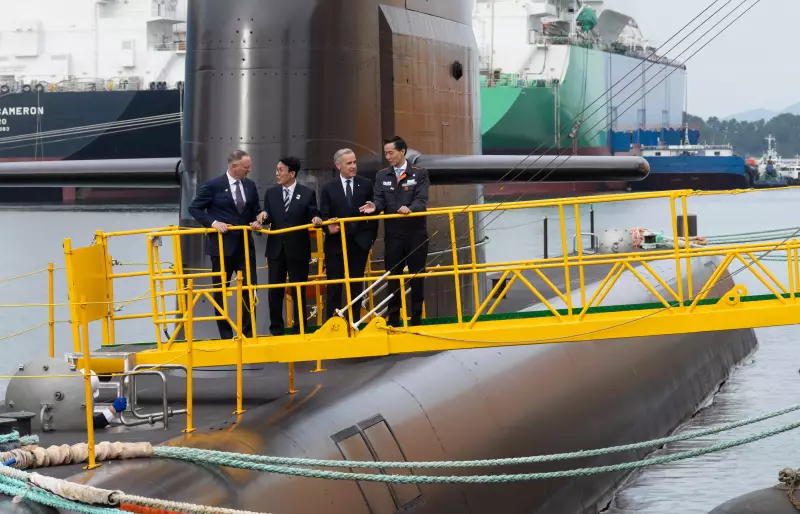
This lobbying effort comes on the heels of a notable visit last October, which highlighted the existing defense relationship. In late October 2025, Canadian National Defence Minister David McGuinty, alongside Prime Minister Mark Carney, toured a submarine facility at the Hanwha Ocean Shipyard on Geoje Island, South Korea. They were accompanied by South Korean Prime Minister Kim Min-seok and Hanwha Group Vice-Chairman Kim Dong Kwan, indicating the project's importance at the highest levels of both governments.
The tour and subsequent discussions signal a mutual interest in deepening defense partnerships. South Korea, with its advanced shipbuilding capabilities exemplified by Hanwha Ocean, is positioning itself as a key contender for Canada's naval modernization needs. The delegation's current trip is a focused attempt to translate that interest into a formal agreement, leveraging the momentum from previous high-level engagements.

Strategic Implications for Canada's Naval Capabilities
For Canada, this potential submarine project represents a critical component of its long-term defense strategy and sovereignty protection, especially in the Arctic and Atlantic regions. Acquiring new, technologically advanced submarines would significantly enhance the Royal Canadian Navy's capabilities in underwater surveillance, deterrence, and response. The engagement with South Korea offers an opportunity to access cutting-edge maritime technology and expertise, potentially accelerating Canada's naval fleet renewal plans.
The lobbying by the South Korean delegation is expected to involve detailed presentations on the technical specifications, cost-effectiveness, and strategic benefits of their submarine offerings. They will likely emphasize factors such as:
- Proven Technology: South Korea's established track record in constructing sophisticated naval vessels.
- Economic Partnerships: Opportunities for industrial collaboration and job creation in Canada.
- Strategic Alignment: Shared security interests in maintaining stability in the Indo-Pacific region.
Navigating a Competitive Defense Procurement Landscape
While South Korea is making a strong push, it is not alone in seeking such contracts. Canada's defense procurement processes are often complex and competitive, involving considerations of domestic industry benefits, geopolitical alliances, and budgetary constraints. The delegation's success will depend on their ability to address these multifaceted Canadian priorities effectively.
This lobbying visit occurs amidst a broader context of Canada reassessing its defense posture and international partnerships. A successful deal could mark a significant step in diversifying Canada's defense suppliers and strengthening its bilateral relationship with South Korea, a key ally in Asia. The outcome will be closely watched by defense analysts and industry stakeholders in both countries, as it could set a precedent for future high-value defense collaborations.