South Sudan Villagers Killed After Being Lured with False Aid Promise, Witnesses Report
In a harrowing incident that underscores the ongoing humanitarian crisis in South Sudan, villagers were reportedly killed after being deceived into leaving their homes with promises of aid, according to eyewitness testimonies. The event, which occurred recently, highlights the brutal tactics employed by armed groups in the region, exacerbating the suffering of vulnerable populations.
Details of the Deceptive Attack
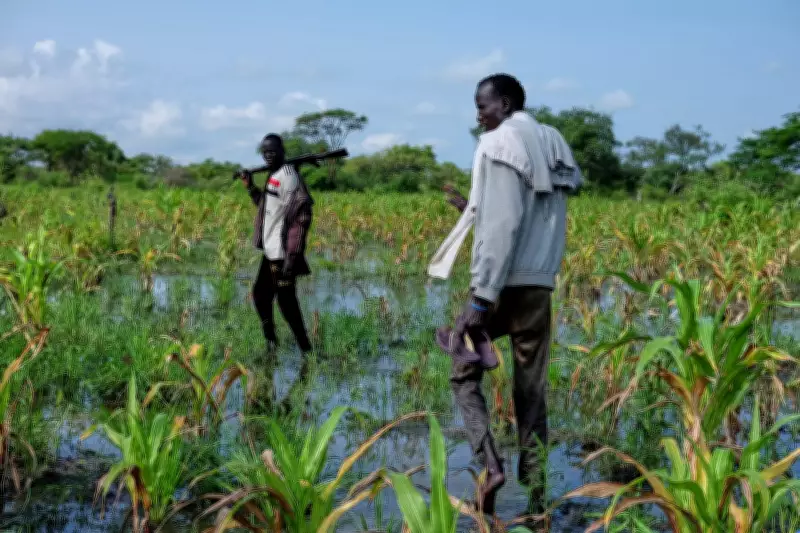
Witnesses describe how members of an informal armed group, known as the White Army, lured villagers from their residences by offering humanitarian assistance. This group, primarily composed of Nuer youth, has been active in areas like Ayod County, where they have previously been seen patrolling farms, as documented in July 2025. Once the villagers gathered, expecting relief, they were instead subjected to violence, resulting in multiple fatalities. The exact number of casualties remains unconfirmed, but reports indicate a significant loss of life.
Context of the White Army and Regional Conflict
The White Army is an armed militia that has operated in South Sudan for years, often involved in ethnic conflicts and power struggles. Their presence in Pajiek Payam, Ayod County, has been noted in past incidents, contributing to the instability in the region. South Sudan, which gained independence in 2011, has been plagued by civil war and sporadic violence, leading to widespread displacement and humanitarian needs. This latest attack exploits the desperation of civilians seeking aid, a tactic that has been condemned by human rights organizations.

Eyewitness accounts reveal a pattern of deception, where armed groups use false promises to target communities. This not only undermines trust in humanitarian efforts but also puts aid workers at risk, as they may be perceived as complicit in such schemes. The international community has expressed concern over these developments, calling for increased protection for civilians and accountability for perpetrators.
Broader Implications for Humanitarian Efforts
This incident raises serious questions about the safety and effectiveness of aid delivery in conflict zones. Humanitarian agencies operating in South Sudan face immense challenges, including access restrictions, security threats, and logistical hurdles. The use of aid as a lure for violence complicates these efforts, making it harder to reach those in genuine need. Experts warn that such tactics could lead to a further deterioration of the humanitarian situation, with millions already facing food insecurity and displacement.
In response, local authorities and international bodies are urged to enhance monitoring and response mechanisms. Strengthening community-based protection and ensuring transparent aid distribution are critical steps to prevent similar tragedies. Additionally, there is a growing call for diplomatic pressure to address the root causes of the conflict, including political instability and ethnic tensions.
Conclusion: A Call for Action
The killing of South Sudan villagers after being lured with false aid promises is a stark reminder of the brutal realities faced by civilians in conflict-affected areas. It underscores the urgent need for robust international intervention to protect vulnerable populations and hold armed groups accountable. As witnesses continue to share their stories, the hope is that this will galvanize efforts towards peace and stability in the region, ensuring that aid reaches those who need it most without fear of violence.