Shipping Traffic Through Strait of Hormuz Shows Resilience Amid U.S. Naval Blockade
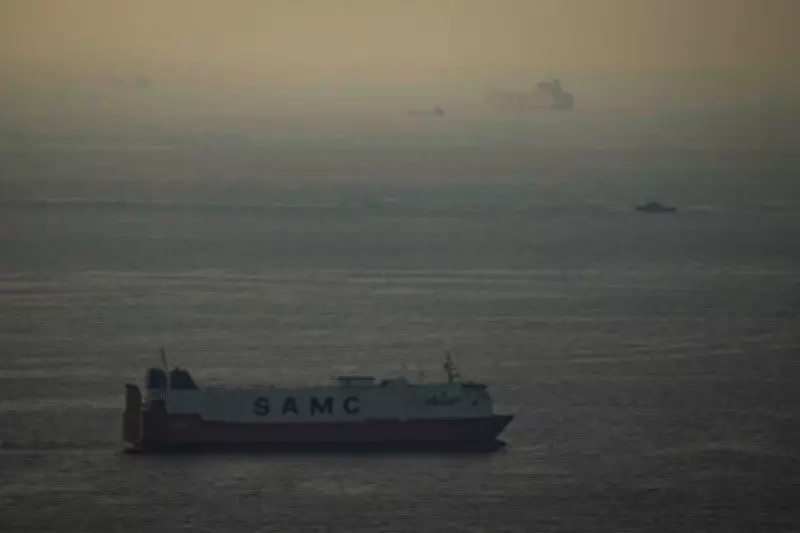
New maritime data indicates that cargo ship movements through the strategically vital Strait of Hormuz experienced only minimal disruption during the first day of a United States-led naval blockade. The waterway, which serves as a crucial chokepoint for global oil shipments, saw traffic patterns remain largely consistent with normal operations despite the implementation of heightened security measures.
Analysis of Maritime Activity Reveals Surprising Stability
According to shipping analytics and vessel tracking information, the number of commercial vessels transiting the strait on April 14, 2026, showed negligible deviation from typical daily averages. This development comes as somewhat unexpected given the geopolitical tensions surrounding the blockade announcement and the region's history of maritime disruptions. The Strait of Hormuz connects the Persian Gulf with the Gulf of Oman and the Arabian Sea, with approximately one-fifth of the world's petroleum liquids passing through this narrow passage annually.
Regional and Global Implications of the Blockade
The United States Navy established the blockade in response to escalating Middle East conflicts, creating concerns about potential supply chain interruptions and energy market volatility. However, the initial data suggests that shipping companies and tanker operators have adapted quickly to the new security environment. Maritime experts note that alternative routing options remain limited, making continued transit through the strait essential for maintaining global energy flows. The relative stability observed during the blockade's initial phase may reflect careful coordination between commercial shipping interests and naval authorities.

Economic and Security Considerations Moving Forward
While the first day's data shows minimal disruption, analysts caution that the situation remains fluid and subject to rapid change. The blockade represents a significant escalation in regional security measures, with potential implications for insurance rates, shipping schedules, and diplomatic relations among neighboring states. Monitoring of vessel traffic will continue as the blockade enters its subsequent phases, with particular attention to:
- Compliance rates among international shipping companies
- Naval enforcement patterns and inspection protocols
- Potential rerouting of cargo to longer alternative pathways
- Impact on global oil prices and energy security calculations
The resilience demonstrated during the blockade's initial implementation provides a temporary reprieve for global markets, but the long-term effects on regional stability and maritime commerce remain uncertain as geopolitical tensions persist in the Middle East.