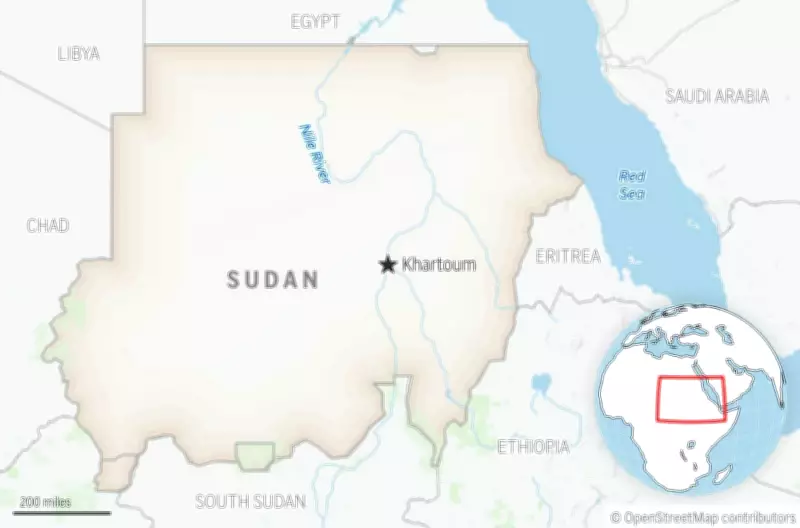
Sudanese Paramilitary Forces Reportedly Kill 28 in Darfur Assault
In a distressing development from the Darfur region of Sudan, paramilitary forces have been accused of carrying out a violent attack that resulted in the deaths of at least 28 people. The incident, which has drawn immediate attention from international observers, underscores the persistent instability and conflict plaguing the area.
Details of the Attack and Its Immediate Aftermath
According to statements from the group involved, the assault occurred recently, with paramilitary units targeting civilians in a coordinated strike. The exact location within Darfur has not been fully disclosed, but reports indicate that the violence was severe and unprovoked, leading to widespread casualties. Local sources describe scenes of chaos and devastation, with many families displaced and seeking refuge from the ongoing hostilities.
This attack adds to a long history of violence in Darfur, a region that has been marred by conflict for decades. The paramilitary forces, often operating with significant autonomy, have been implicated in numerous human rights abuses over the years, raising concerns about accountability and justice in the region.

Broader Implications for Sudan and International Response
The timing of this assault is particularly critical, as Sudan continues to grapple with political transitions and economic challenges. The violence in Darfur threatens to undermine peace efforts and exacerbate existing tensions between various factions within the country. International organizations, including the United Nations, have called for immediate investigations into the incident, urging all parties to adhere to humanitarian laws and protect civilian lives.
Experts warn that such attacks could have far-reaching consequences, not only for the local population but also for regional stability. The lack of effective governance and security measures in Darfur has allowed paramilitary groups to operate with impunity, making it difficult to prevent similar incidents in the future.
Historical Context and Ongoing Struggles in Darfur
Darfur has been a hotspot of conflict since the early 2000s, with ethnic and political divisions fueling widespread violence. The region has witnessed mass displacements, famine, and numerous atrocities, often described as genocide by international bodies. Despite peace agreements and international intervention, sporadic outbreaks of violence continue to disrupt the lives of millions.
- Humanitarian Crisis: The attack exacerbates an already dire humanitarian situation, with aid organizations struggling to provide essential services to affected communities.
- Security Challenges: Paramilitary forces remain a significant threat, operating outside formal military structures and often clashing with government troops.
- International Pressure: Global actors are increasing calls for Sudan's government to rein in paramilitary groups and ensure the protection of civilians.
As the situation unfolds, the international community is closely monitoring developments, with many advocating for stronger measures to address the root causes of the conflict. The recent attack serves as a stark reminder of the urgent need for sustainable peace and security in Darfur, to prevent further loss of life and suffering.