Trump Calls for Multinational Naval Deployment to Protect Critical Waterway
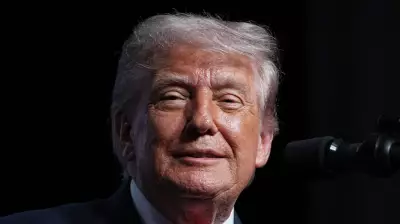
In a significant development amid ongoing Middle East tensions, former U.S. President Donald Trump has stated that he has demanded about seven countries send warships to help keep the Strait of Hormuz open. This strategic chokepoint, through which a substantial portion of the world's oil shipments passes, has been a focal point of regional instability and international concern.
Escalating Maritime Security Measures
The announcement underscores the heightened geopolitical stakes in the area, with the Strait of Hormuz serving as a vital artery for global energy supplies. Trump's call for a multinational naval presence aims to prevent disruptions that could severely impact oil markets and international trade routes. While the specific nations involved have not been publicly named, the move signals a coordinated effort to bolster maritime security in one of the world's most volatile regions.
Historical Context and Current Implications

The Strait of Hormuz has long been a flashpoint, with previous incidents involving tanker seizures and military confrontations threatening its navigability. Trump's demand reflects ongoing worries about potential blockades or attacks that could cripple oil exports from the Middle East, particularly from major producers like Saudi Arabia and Iran. This development comes as conflicts in the region continue to simmer, raising alarms about broader economic and security repercussions.
International Response and Strategic Calculations
Analysts suggest that securing the strait requires a delicate balance of diplomatic and military maneuvers. By urging multiple countries to contribute warships, Trump is advocating for a shared burden in maintaining open sea lanes, which could enhance deterrence against hostile actions. However, such a deployment also risks escalating tensions further, especially if perceived as a provocative move by regional actors.
The situation remains fluid, with stakeholders closely monitoring any shifts in naval postures or diplomatic dialogues. Ensuring the free flow of commerce through the Strait of Hormuz is critical not only for energy security but also for global economic stability, making this a top priority for international policymakers.