Former U.S. President Donald Trump has issued a stark demand to America's largest defence companies: stop all stock buybacks and dividend payments to shareholders until they significantly ramp up investments in new production facilities and research. The directive, which triggered an immediate selloff in defence stocks, also calls for capping executive compensation.
The Core Demands: Reinvest, Don't Reward
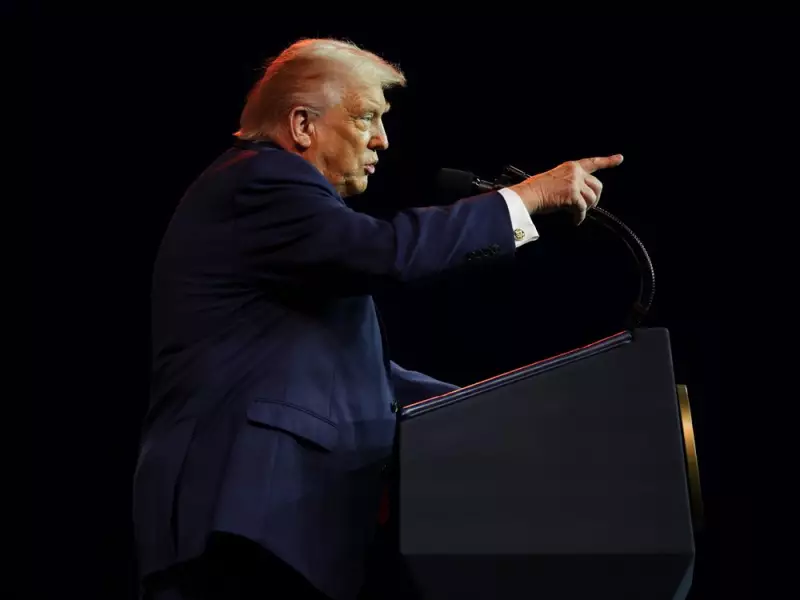
In a social media post on Wednesday, January 7, 2026, Trump declared the current situation "will no longer be allowed or tolerated!" He accused major contractors of prioritizing shareholder returns over national security needs.
Trump's demands are threefold:

- An immediate halt to "massive" stock buybacks and dividend issuances.
- A cap on executive pay at US$5 million per year until companies build what he termed "NEW and MODERN Production Plants."
- A requirement for firms to invest their own capital into speeding up delivery volumes and improving equipment maintenance.
He argued that companies are not building military equipment fast enough and are failing to maintain it properly, despite record profits.
Market Reaction and Executive Pay Reality
The financial markets reacted swiftly to Trump's pronouncements. Shares of leading U.S. defence contractors fell, including Northrop Grumman Corp., Lockheed Martin Corp., RTX Corp., and General Dynamics Corp.
The call for a US$5 million pay cap stands in stark contrast to current compensation levels. In 2024, Northrop Grumman CEO Kathy Warden received total compensation of approximately US$24 million, while Lockheed Martin CEO Jim Taiclet's package was nearly US$23.75 million.
Spokespeople for RTX, Northrop Grumman, and Lockheed Martin did not immediately respond to requests for comment on Trump's statement.
Enforcement and Broader Context
While Trump did not specify how he would enforce these demands if re-elected, people familiar with the matter indicated he was considering an executive order on the issue. The recent post reiterates comments he first made on December 22, 2025, when he promised to meet with defence industry executives to pressure them on spending.
This theme is not new for Trump or his allies. In November 2025, Defence Secretary Pete Hegseth criticized the slow, over-budget defence procurement process. The Biden administration has also voiced concerns; Navy Secretary Carlos Del Toro told a defence industry audience in February 2024 that many firms were posting record profits.
The pressure campaign highlights a persistent bipartisan frustration with the pace and cost of modernizing the U.S. military industrial base, setting the stage for a potential major policy clash should Trump return to office.