In a significant statement aimed at reassuring allies, U.S. President Donald Trump has declared that the United States will stand by its NATO commitments. This affirmation comes at a time of heightened geopolitical unease, particularly surrounding the status of Greenland, which has rattled the North Atlantic Treaty Organization.
A Pledge of Support Amidst Uncertainty
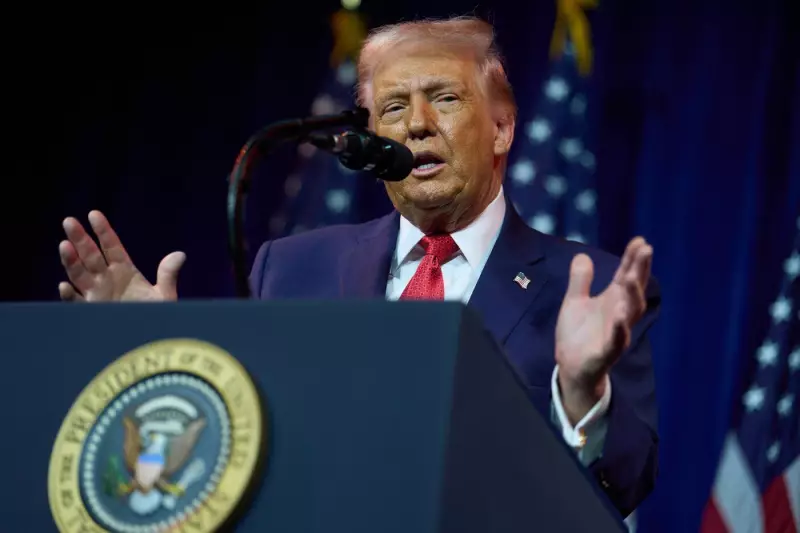
President Trump made his remarks while addressing House Republican lawmakers at their annual policy retreat in Washington on Tuesday, January 6, 2026. The comments, delivered the day before the public statement, were a direct attempt to solidify the U.S. position within the transatlantic alliance. The specific context involves ongoing threats and strategic posturing related to Greenland, a vast autonomous territory within the Kingdom of Denmark that holds significant Arctic importance.
The President's promise that the U.S. will 'be there' for NATO marks a notable moment, seeking to dispel concerns about American dedication to the collective defense pact. This reassurance is critical for member states, including Canada, which relies heavily on the alliance for continental and Arctic security frameworks.

Greenland: The Arctic Flashpoint
The underlying source of the alliance's rattled nerves stems from escalating threats focused on Greenland. While the original report does not specify the exact nature of these threats, they are severe enough to cause significant concern among NATO leadership. Greenland's strategic location in the Arctic makes it a region of growing interest for global powers due to emerging shipping routes and resource potential.
For Canada, which shares Arctic borders and responsibilities, stability in Greenland is directly linked to its own national security and sovereignty interests. Any destabilization in the region prompts immediate strategic reviews in Ottawa and at NORAD headquarters.
Broader Implications for Canada and Global Order
The timing of Trump's statement is pivotal. It serves not only as a message to NATO allies but also as a signal to adversaries that Article 5—the collective defense clause—remains a cornerstone of U.S. foreign policy. For Canadian policymakers, this declaration provides a measure of certainty in an otherwise volatile geopolitical landscape.
However, analysts will be watching closely to see how this verbal commitment translates into concrete policy and action, especially regarding the defense of Arctic territories. The situation underscores the fragile nature of current international relations and the continuous need for diplomatic vigilance.
As of January 7, 2026, the full diplomatic and military response from NATO members to the Greenland situation remains under development. Canada's role, as a key Arctic nation and steadfast NATO member, will be crucial in the coming weeks as the alliance formulates a unified stance.