Trump Issues Ultimatum to Iran Over Strategic Waterway
In a dramatic escalation of geopolitical tensions, former U.S. President Donald Trump has declared he will authorize strikes against Iranian infrastructure if the vital Strait of Hormuz remains closed by Tuesday. This ultimatum comes amid heightened military posturing and regional instability, raising fears of a broader conflict in the Middle East.
The Strategic Importance of the Strait of Hormuz
The Strait of Hormuz serves as a crucial maritime chokepoint, through which approximately one-fifth of the world's oil supply transits. Its closure would have devastating consequences for global energy markets and economic stability. Iran has previously threatened to block the strait in response to international sanctions or military actions, making it a flashpoint in ongoing disputes.
Trump's statement represents a significant hardening of rhetoric, directly linking military action to the free flow of commerce through this strategic passage. Analysts note that such a move could trigger retaliatory measures from Iran, potentially drawing other regional powers into the conflict.

Context of Rising Tensions
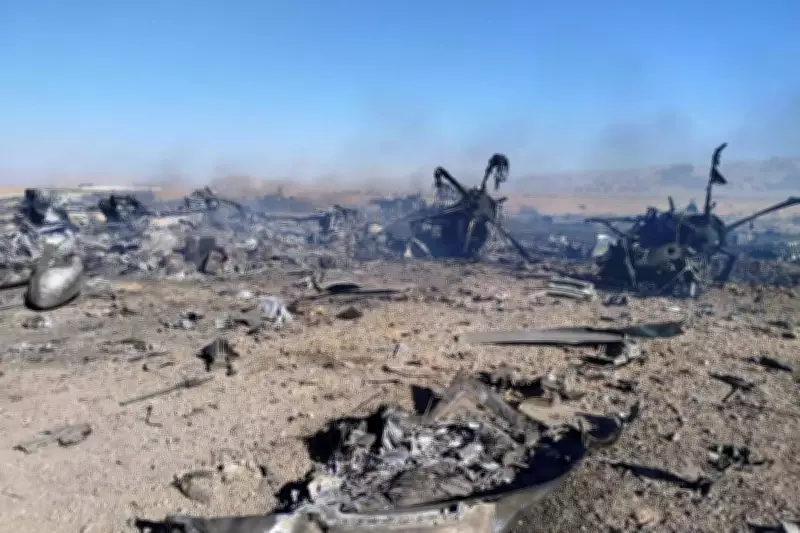
This development follows recent incidents, including Iran's claim of downing an American transport plane and two helicopters involved in a rescue operation in Isfahan province. While details remain contested, the incident underscores the volatile nature of U.S.-Iran relations and the risk of miscalculation.
The timing of Trump's warning is particularly sensitive, as it coincides with broader international efforts to de-escalate conflicts in the region. Diplomatic channels have been strained, with little progress reported in negotiations aimed at ensuring maritime security.
Potential Implications and Global Response
If carried out, strikes against Iranian infrastructure could target:
- Military installations and naval bases
- Energy facilities and oil refineries
- Communication networks and transportation hubs
Such actions would likely provoke a severe response from Tehran, potentially involving asymmetric warfare tactics, cyberattacks, or proxy engagements across the Middle East. Global leaders are monitoring the situation closely, with many urging restraint and a return to diplomatic dialogue.
The international community faces a delicate balancing act, seeking to uphold freedom of navigation while avoiding a full-scale military confrontation. The coming days will be critical in determining whether the Strait of Hormuz reopens peacefully or becomes the epicenter of a new conflict.