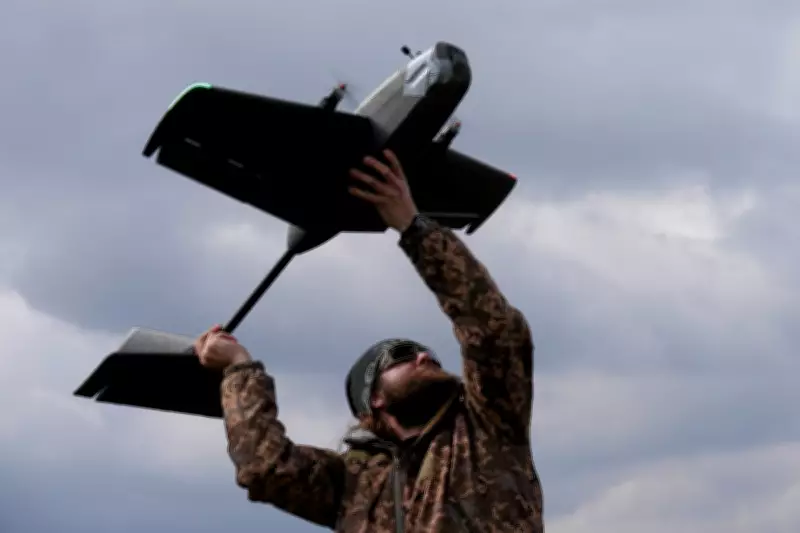
Ukrainian officials and citizens have expressed strong disapproval and condemnation following remarks made by Germany's defense minister regarding domestically produced unmanned aerial vehicles. The comments, which described certain Ukrainian drones as resembling 'Lego' constructions made by 'housewives,' have sparked a significant backlash from a nation deeply engaged in a defensive war.
Diplomatic Tensions Over Military Support
The controversy erupted after the German defense chief made the remarks during a discussion about military aid and technological support for Ukraine. In the context of the ongoing Russia-Ukraine war, where drone warfare has become a pivotal element of strategy, the characterization was perceived as belittling the innovation and effort of Ukrainian engineers and volunteers.
Ukrainian representatives were quick to respond, emphasizing the critical importance of these domestically developed drones in surveillance, reconnaissance, and tactical operations against Russian forces. They argued that such comments undermine the serious contributions of Ukrainian civilians and military personnel who have adapted to the demands of modern warfare under extreme conditions.

The Role of Drone Technology in the Conflict
Unmanned aerial systems have proven to be a game-changer in the conflict, allowing Ukrainian forces to monitor enemy movements, target positions, and gather intelligence with reduced risk to personnel. The development of these drones often involves grassroots initiatives, with universities, private companies, and even individual citizens contributing to design and production.
Training programs, such as those conducted at institutions like the Yatagan School for Unmanned Aerial Systems, highlight the formalized effort to enhance drone capabilities. During recent drills in the Kyiv region, student soldiers were observed launching training target drones, underscoring the integration of this technology into military education and preparedness.
International Reactions and Implications
The incident has raised questions about diplomatic sensitivities and the tone of discussions among allied nations. While Germany has been a significant provider of military and financial aid to Ukraine, such remarks risk straining bilateral relations and affecting public perception in Ukraine.
Analysts suggest that the backlash reflects broader frustrations over the pace and nature of international support, as well as a desire for recognition of Ukraine's autonomous military advancements. The episode serves as a reminder of the complex dynamics in multinational coalitions, where rhetorical missteps can have tangible consequences on morale and cooperation.
Looking Forward: Technological Innovation and Warfare
Beyond the immediate diplomatic fallout, the controversy underscores the evolving nature of warfare, where non-state actors and civilian contributions play an increasingly important role. The development of cost-effective, adaptable drone technology by Ukrainian entities demonstrates a capacity for innovation under pressure, challenging traditional notions of military production and expertise.
As the conflict continues, the integration of such technologies is likely to remain a focal point of both tactical operations and international discourse. The response from Ukraine highlights a steadfast commitment to defending its sovereignty while advocating for respectful and substantive dialogue with its allies.