Iran Issues Stark Warning to U.S. as Middle East War Intensifies
As the conflict in the Middle East reached its fifth week on Sunday, tensions escalated with a top Iranian official issuing a fiery warning against potential American military action. Meanwhile, diplomatic efforts gained momentum as key regional nations convened in Pakistan to seek a peaceful resolution.
Iranian Official Threatens U.S. Troops
In a message broadcast by Iranian state media, parliamentary Speaker Mohammad Bagher Ghalibaf marked 30 days of warfare by accusing the United States of duplicity—publicly advocating for negotiations while allegedly planning a ground assault. "Our firing continues. Our missiles are in place. Our determination and faith have increased," Ghalibaf declared. He ominously added that Iranian forces are "waiting for the arrival of American troops on the ground to set them on fire."
This rhetoric coincided with the arrival of approximately 3,500 U.S. troops in the region, as reported by military sources. A Washington Post investigation, citing anonymous U.S. officials, revealed that the Pentagon is preparing for weeks of ground operations in Iran. These operations are not expected to constitute a full-scale invasion but may involve targeted raids by special operations forces and conventional infantry units.

Diplomatic Moves in Islamabad
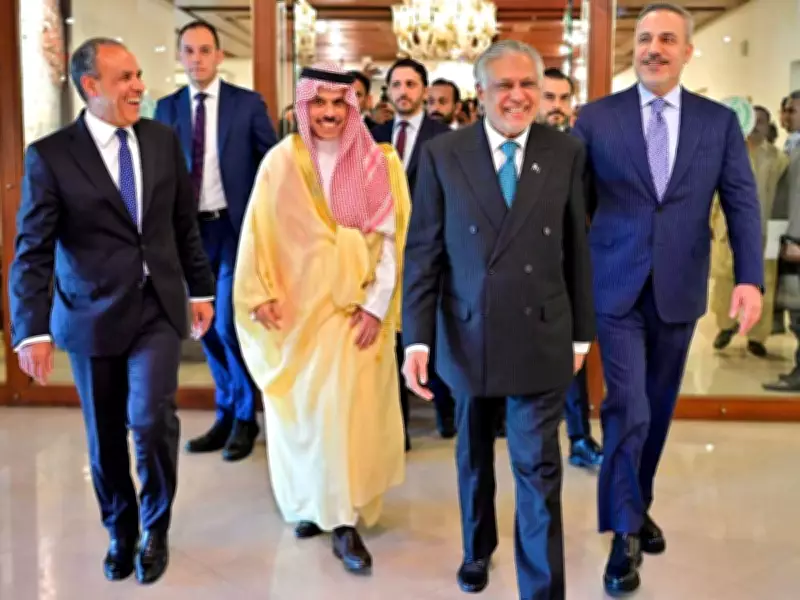
Amidst the bellicose exchanges, a glimmer of hope emerged from Islamabad, where foreign ministers from Egypt, Turkey, Saudi Arabia, and Pakistan gathered to discuss regional stability. The primary focus of their meeting was negotiating a ceasefire to halt the escalating violence. Following the discussions, Pakistani Foreign Minister Ishaq Dar announced in a televised speech that Pakistan will soon host talks between the U.S. and Iran. "Pakistan is very happy that both Iran and the U.S. have expressed their confidence in Pakistan’s facilitation" of these discussions, Dar stated, indicating that the talks would occur in the "coming days." It remains unclear whether the negotiations will be direct or indirect, and there has been no immediate confirmation from American or Iranian authorities.
Humanitarian and Economic Fallout
The war has inflicted severe human and economic costs. According to latest estimates:
- Casualties: The conflict has claimed 3,000 lives since U.S. and Israeli strikes on Iran triggered retaliatory attacks on Israel and Gulf Arab states.
- Displacement: Over one million people in Lebanon have been displaced as Israeli ground forces advance into southern regions, aiming to dismantle Iran-backed Hezbollah strongholds.
- Lebanese Death Toll: The Lebanese Health Ministry reports more than 1,200 fatalities and at least 3,500 injuries, including 52 healthcare workers, since hostilities intensified on March 2.
Economically, the blockade of the Strait of Hormuz by Iran has disrupted global oil supplies, driving up energy prices. Mike Sommers, president of the American Petroleum Institute, emphasized the urgency of reopening this crucial shipping route: "The only real solution to rising energy and consumer prices is to get the Strait of Hormuz open... the longer this goes on, the higher prices are going to go."
Regional Military Developments
Israeli Prime Minister Benjamin Netanyahu announced plans to expand the invasion of southern Lebanon, stating, "We are determined to fundamentally change the situation in the north." He cited residual rocket capabilities of Hezbollah as justification for the widened military campaign.
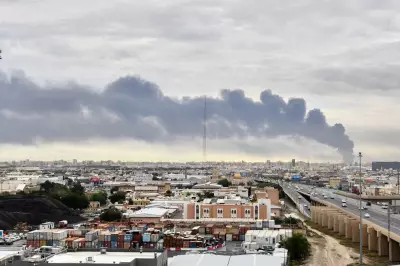
In southern Israel, a missile fragment struck a factory near Beersheba, igniting a hazardous materials fire involving a pesticide tank. Authorities evacuated the area, but no injuries were reported. The Israeli Defence Forces attributed the incident to shrapnel from a new Iranian missile barrage, which targeted over 20 sites in Beersheba without causing major damage.
As diplomatic efforts continue in Pakistan, the region remains on edge, with military posturing and humanitarian crises underscoring the urgent need for a negotiated peace.