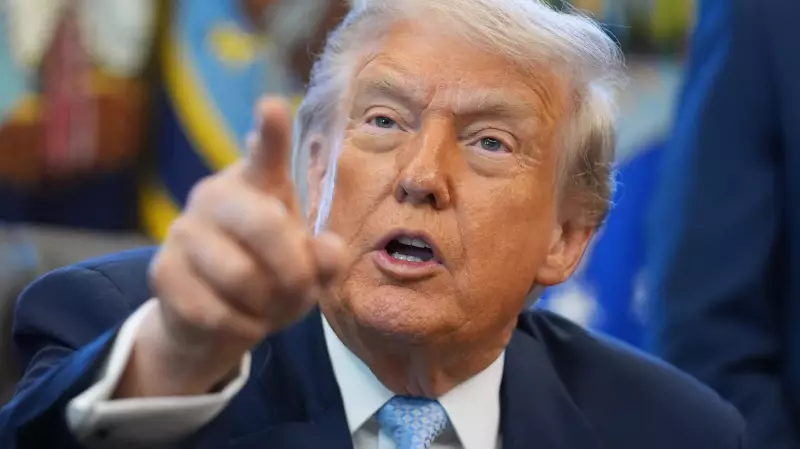
President Donald Trump has confirmed his administration will proceed with the controversial sale of advanced F-35 fighter jets to Saudi Arabia, despite significant concerns within his own government about potential Chinese access to sensitive American military technology.
Security Concerns and Diplomatic Timing
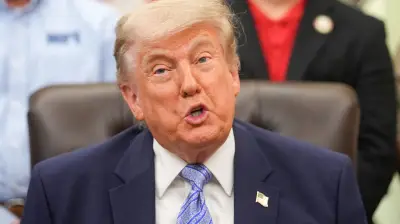
The announcement came on November 17, 2025, just before Saudi Crown Prince Mohammed bin Salman's first Washington visit in over seven years. When questioned by reporters, Trump explicitly stated "we'll be selling F-35s" to the kingdom, confirming one of the crown prince's key objectives for the high-profile diplomatic mission.
Administration officials speaking anonymously revealed deep-seated worries about the transfer of F-35 technology to China, which maintains close ties with both Saudi Arabia and the United Arab Emirates. These concerns previously derailed a similar potential sale to the UAE.

Regional Implications and Israeli Concerns
The decision places additional pressure on Trump's Middle East strategy, particularly regarding Israel's qualitative military edge over neighboring nations. The Republican administration has been cautious about undermining Israel's security advantage, especially while Trump depends on Israeli support for his Gaza peace initiative.
Bradley Bowman, senior director at the Foundation for Defense of Democracies, suggested Congress will likely demand details about what assurances Riyadh provided regarding its relationship with China. He also emphasized that the White House should clarify how Israel's military superiority will be maintained.
Abraham Accords and Palestinian Statehood
Trump's announcement coincides with his ongoing efforts to expand the Abraham Accords, which established formal relations between Israel and several Arab nations during his first term. The president expressed hope that Saudi Arabia would join the accords "very shortly" during comments to reporters aboard Air Force One.
However, internal assessments appear more cautious than Trump's public optimism. Saudi officials have consistently maintained that a guaranteed path to Palestinian statehood remains a prerequisite for joining the accords—a condition Israel strongly opposes. Despite this obstacle, administration officials express cautious optimism that an agreement could be finalized by the end of Trump's second term.
The timing of Prince Mohammed's visit also brings scrutiny from human rights advocates, marking his first Washington appearance since 2018. That previous visit aimed to improve Saudi Arabia's image following the killing of Washington Post columnist Jamal Khashoggi, which U.S. intelligence agencies determined the crown prince likely directed.