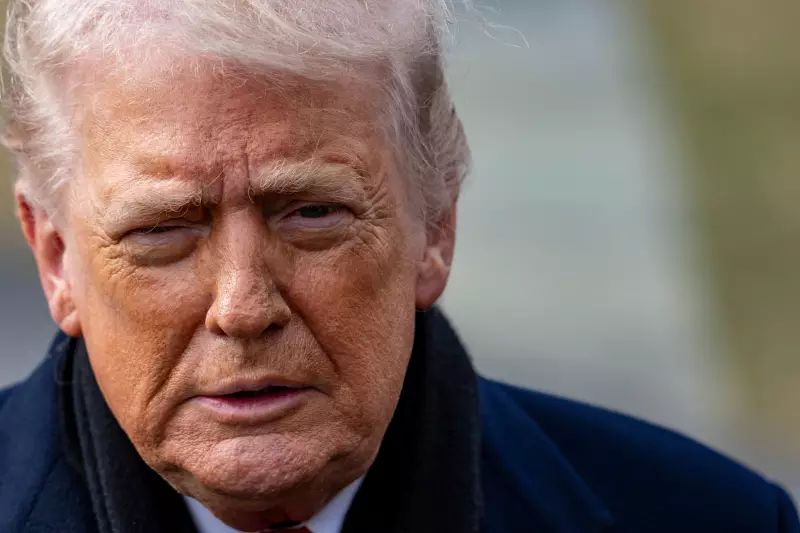
Former deputy assistant secretary of defense for European and NATO Policy, Jim Townsend, has issued a stark warning that former President Donald Trump's tactics to gain control of Greenland could severely damage the North Atlantic Treaty Organization. Townsend stated that Trump's threat is being "received well in Capitol Hill," indicating potential political support for a move that experts fear would alienate a key ally.
The Geopolitical Gambit Over Greenland
The controversy centers on Trump's reported consideration of using tariffs as a tool to pressure Denmark into relinquishing control of Greenland. The vast, strategically located Arctic island has long been of interest to U.S. administrations due to its mineral resources and geopolitical position. However, the method of employing economic coercion against a steadfast NATO ally like Denmark marks a significant and dangerous escalation in tactics, according to analysts.
Why This Threatens NATO's Cohesion
Jim Townsend, who served under the Obama administration, emphasized that such actions directly undermine the foundational trust and mutual respect required for the military alliance to function. NATO operates on the principle of collective defense, where an attack on one member is considered an attack on all. Initiating a trade war or using economic threats against a member state for territorial gain turns that principle on its head, creating a precedent where allies become targets.

"The alliance cannot survive if its largest and most powerful member views its partners not as equals, but as territories for potential economic conquest," a security analyst familiar with Townsend's remarks summarized. The move could push European allies to question their reliance on U.S. leadership and accelerate efforts toward strategic autonomy, potentially fracturing the unified front that has defined the alliance for decades.
Broader Implications for Canada and the Arctic
The situation has direct ramifications for Canada, another Arctic nation and NATO member. Increased U.S. aggression over Greenland would destabilize the entire Arctic region, where Canada holds significant sovereignty claims. It could force Ottawa into a difficult position, caught between its traditional alliance with the United States and its need to support the sovereignty of fellow Arctic nations and NATO partners like Denmark.
Furthermore, the strategy highlights a concerning trend where major policy tools like tariffs are weaponized not just in trade disputes with adversaries, but in political strong-arming against allies. The report, published on January 18, 2026, underscores that the political climate in Washington may be receptive to such confrontational approaches, setting the stage for a potential crisis in transatlantic relations should these tactics be pursued.