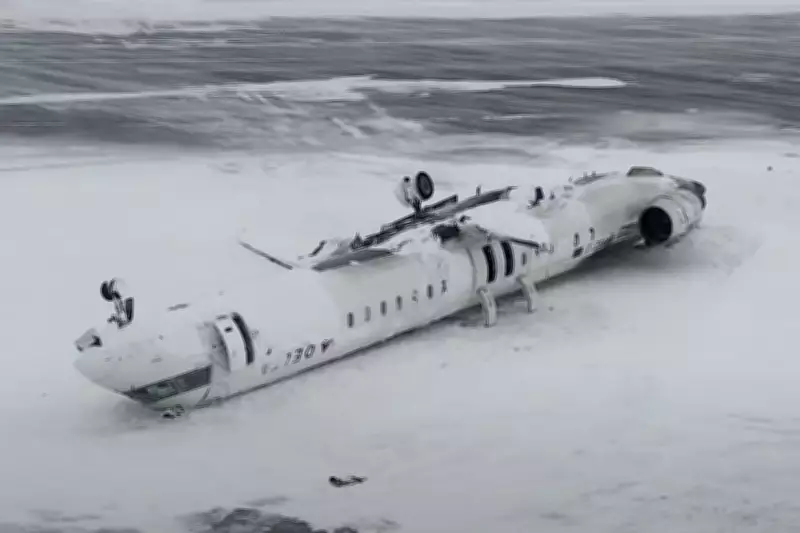
TSB Completes Metallurgical Examination in Pearson Plane Crash Investigation
The Transportation Safety Board (TSB) has announced that a comprehensive metallurgical examination of the aircraft wreckage from the recent Pearson plane crash has been finalized. This critical phase involved detailed analysis of the materials and structural components to identify any potential failures or defects that may have contributed to the incident.
Detailed Analysis Now Underway
With the metallurgical work complete, investigators are now engaged in an in-depth analysis of the findings. This process includes reviewing data from the wreckage, flight recorders, and other sources to piece together the sequence of events leading up to the crash. The TSB emphasizes that this analysis is essential for understanding the root causes and preventing future accidents.
Importance of Metallurgical Studies in Aviation Safety
Metallurgical examinations are a standard part of aircraft crash investigations, focusing on the integrity of metals and alloys used in construction. By studying factors like fatigue, corrosion, and material stress, experts can determine if structural issues played a role. In this case, the TSB's findings could shed light on whether mechanical failures or external factors were involved.

Next Steps in the Investigation
The TSB has not provided a timeline for when the full analysis will be concluded, but officials assure that the investigation is progressing methodically. Once the analysis is complete, a preliminary report may be released, followed by a final detailed account with safety recommendations. This process aims to enhance aviation safety protocols and inform regulatory changes if necessary.
Context and Broader Implications
This investigation comes amid heightened attention to aviation safety following recent incidents globally. The Pearson crash has raised questions about maintenance practices and aircraft design, making the TSB's findings particularly significant for the industry and public confidence. As the analysis continues, stakeholders await insights that could influence future safety standards.