Ukraine to Share Drone Defense Expertise with Gulf States Against Iranian UAVs
Ukraine is preparing to dispatch military drone specialists to Gulf states, offering crucial expertise in countering Iranian-designed unmanned aerial vehicles (UAVs). This initiative comes as Ukraine has developed extensive experience defending against similar drone threats since Russia's full-scale invasion began in February 2022.
Battlefield Innovation Forced by Necessity
The military assault launched in February 2022 created a relentless cat-and-mouse game of aerial drone warfare that has compelled both sides to continuously innovate or face devastating consequences. Moscow has dramatically scaled up production and sophistication of its drones, many based on Iranian-designed Shahed drones that Tehran has recently launched against Israel and Gulf states.
This escalation has forced Ukraine to develop remarkably cheap and versatile defense systems capable of downing hundreds of drones in single barrages. Kyiv officials claim this hard-won experience is unmatched anywhere in the world, creating valuable knowledge they're now preparing to share with Middle Eastern partners.

Interceptor Technology: Drones Fighting Drones
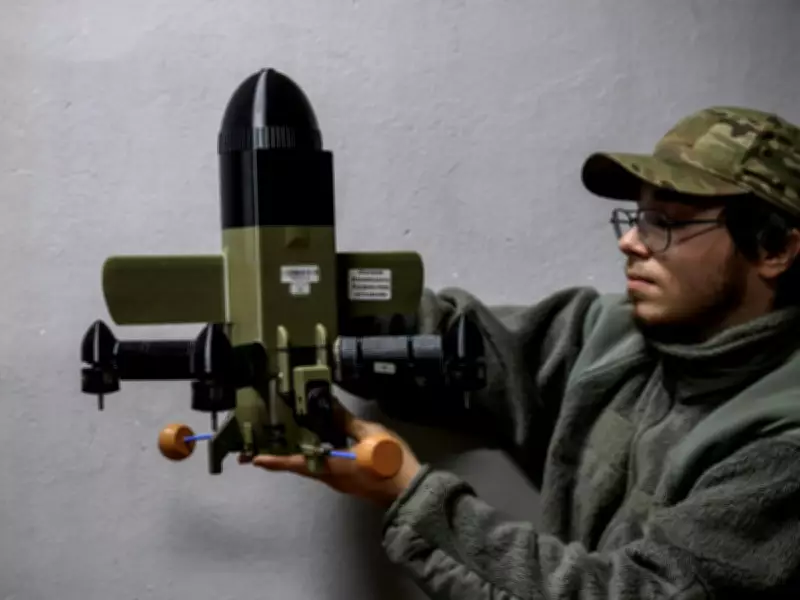
Private Ukrainian arms companies have spearheaded development of specialized drone interceptors – inexpensive, lightweight single-use drones specifically designed to knock Russian unmanned aerial vehicles from the sky. These interceptors, typically featuring winged or propeller-like helicopter designs, are primarily controlled through built-in cameras that beam real-time images to ground-based pilots.
Late last year, President Volodymyr Zelenskyy released grainy black-and-white footage recorded from interceptors as they successfully crashed into Shahed drones. The Ukrainian leader has since instructed manufacturers to ramp up production to potentially 1,000 interceptors daily, reflecting the critical importance of this defense method.
Proven Effectiveness and Cost Efficiency
This drone-versus-drone approach to air defense is becoming increasingly prevalent across Ukrainian battlefields. Commander-in-Chief Oleksandr Syrsky reported this week that approximately 70 percent of all drones Russia launched at Kyiv and surrounding regions during February were successfully downed by these specialized interceptors.
The economic advantage is equally significant. Individual interceptors can cost as little as $700 or as much as $12,000 – still representing a mere fraction of the price for a single missile fired from U.S. Patriot air defense batteries, which are estimated to exceed $1 million per launch.
Multi-Layered Defense Strategy
Ukrainian air defense units employ a comprehensive, multi-layered approach beyond just drone interceptors. Traditional anti-aircraft guns remain crucial components of their defense strategy, appearing both as heavy machine guns mounted on wheels and as makeshift solutions where troops attach high-caliber weapons to pickup trucks.
As Konstantyn, a deputy commander of an anti-aerial unit deployed in eastern Ukraine, recently explained to AFP: "The warfare shifted a lot. First it was drones against humans, soldiers and tanks. Now it's mostly drones against drones."
Ukrainian forces also deploy man-portable air-defense systems – guided surface-to-air missiles that are shoulder-launched and originally designed to eliminate low-flying aerial targets. This combination of high-tech interceptor drones, traditional anti-aircraft weaponry, and portable missile systems creates a formidable defense network that Gulf states hope to replicate against similar Iranian-designed threats.