The United States launched airstrikes in Iran and revoked a waiver allowing Iranian oil sales on Tuesday, jeopardizing the fragile ceasefire agreement signed on June 17. The actions mark the most serious threat yet to the interim peace deal, which was intended to halt hostilities and create space for negotiations on Iran's nuclear program and the Strait of Hormuz.
Airstrikes Target Air Defenses and Launchers
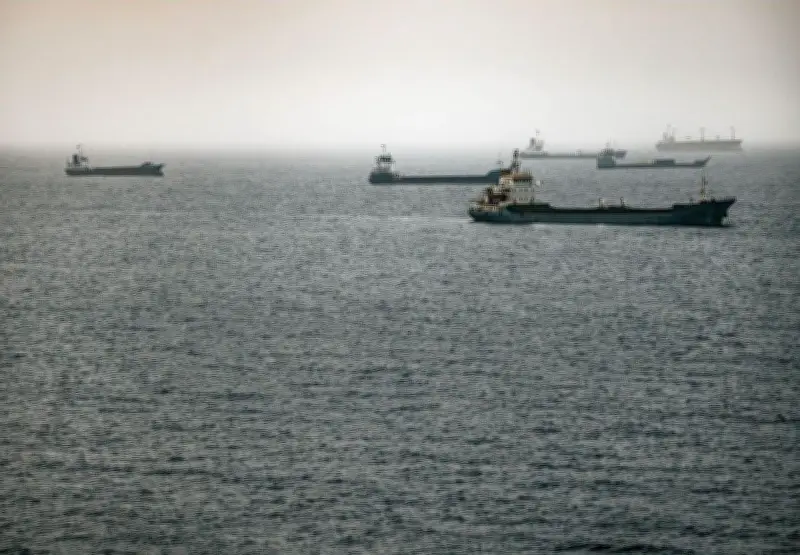
U.S. Central Command described the strikes as "powerful" and aimed at imposing costs for attacks on commercial shipping in international waters. According to a U.S. official, American forces concentrated on Iranian air defenses and weapons launchers. Iran's Mehr News Agency reported explosions near the Strait of Hormuz. The U.S. blamed Iran for strikes on three commercial vessels in the strait over the past day, the most since the ceasefire took effect.
Iran called the U.S. operation a violation of the agreement. Deputy Foreign Minister Kazem Gharibabadi vowed "decisive actions" in response, according to state media.

Oil Waiver Revoked, Prices Surge
Hours before the airstrikes, the U.S. Treasury Department announced it was barring new sales of Iranian oil after July 7. The waiver had been a key element of the memorandum of understanding that halted fighting between the U.S. and Iran. West Texas Intermediate crude surged above $72 a barrel following the news, while gold slumped on fears that elevated energy prices might prompt the Federal Reserve to raise interest rates. Brent crude had peaked near $125 a barrel in late April but had returned toward pre-conflict levels in recent weeks.
"The end of attacks on commercial shipping and the previous 60-day waiver allowing Iranian oil sales were key elements of the memorandum of understanding," a U.S. official said, speaking on condition of anonymity before the strikes. The official added that negotiators continue to work toward a final accord, suggesting the U.S. is not ready to abandon the peace process completely.
Ceasefire Under Strain
The June 17 agreement was meant to create space for detailed negotiations on Iran's nuclear program and the future of the strait. However, the ceasefire has held only tenuously. In late June, Iran struck a Singapore-flagged container ship in the strait, prompting U.S. retaliation and setting off a series of back-and-forth attacks. Tehran has repeatedly said it would not allow vessels to transit the waterway without its permission, though it denied involvement in an attack on a Qatar-linked vessel. President Donald Trump had pushed for ships to pass freely through the strait as they had before the U.S. and Israel began their military campaign against Iran in late February.
Both Sides Accuse Each Other of Violations
The U.S. and Iran have each accused the other of violating the ceasefire. The U.S. Central Command statement on X said the strikes were in response to Iranian attacks on three commercial ships crewed by innocent civilians in an international waterway. Iran's Foreign Ministry called the airstrikes and waiver revocation violations of the agreement. The standoff threatens to scuttle negotiations aimed at achieving a permanent peace within 60 days of the interim deal.