U.S. and Iran Exchange Threats Over Regional Power Infrastructure
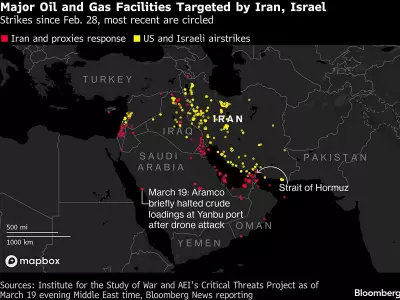
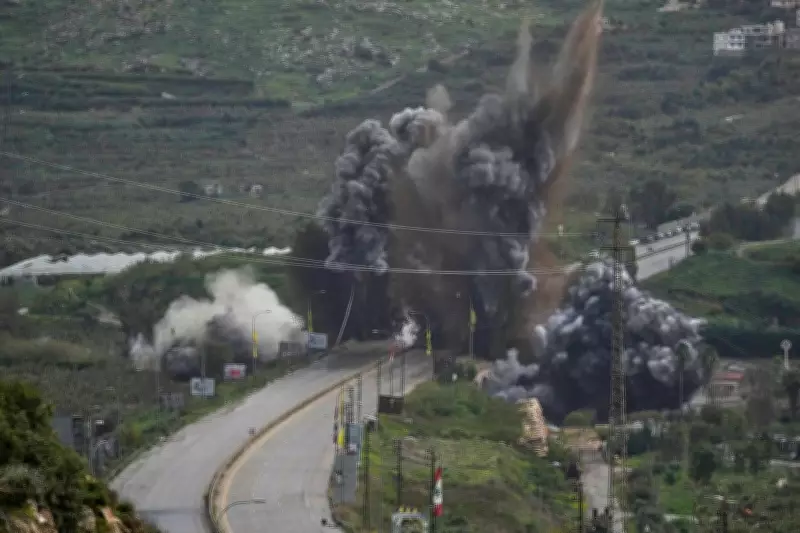
In a significant escalation of tensions, the United States and Iran have issued reciprocal threats to target power plants across the Middle East, raising alarms about a potential expansion of the ongoing conflict. This development follows an Israeli airstrike on the Qasmiyeh Bridge near Tyre, Lebanon, which occurred on Sunday, March 22, 2026, as confirmed by Associated Press imagery showing smoke and debris rising from the site.
Heightened Risks to Critical Energy Assets
The threats specifically focus on the region's power generation facilities, which are critical for civilian infrastructure and economic stability. Analysts warn that such actions could lead to widespread blackouts, humanitarian crises, and further destabilization in an already volatile area. The rhetoric underscores the fragile state of diplomatic relations and the increasing likelihood of a broader regional war.
Context of the Israeli Airstrike: The airstrike in Lebanon is part of a series of military actions that have intensified in recent weeks. While details remain limited, it highlights the interconnected nature of conflicts in the region, where actions by one state often provoke responses from multiple actors.

International Concerns and Diplomatic Efforts
Global leaders are urging restraint, emphasizing the catastrophic consequences of attacking civilian infrastructure like power plants. Such moves could violate international laws protecting non-combatants and essential services during conflicts. Diplomatic channels are reportedly active, but progress remains uncertain as both the U.S. and Iran appear entrenched in their positions.
Impact on Regional Stability: The threats add to existing tensions fueled by political, economic, and sectarian divisions. Experts note that power plants are strategic targets due to their role in supporting military operations and daily life, making them high-value assets in any conflict scenario.
Broader Implications for Global Security
This escalation could have ripple effects beyond the Middle East, potentially affecting global energy markets and international alliances. The situation is being closely monitored by defense and intelligence agencies worldwide, who are assessing the risks of a full-scale war.
As of March 22, 2026, the situation remains fluid, with no immediate resolution in sight. The international community continues to call for de-escalation to prevent further humanitarian and economic damage in the region.