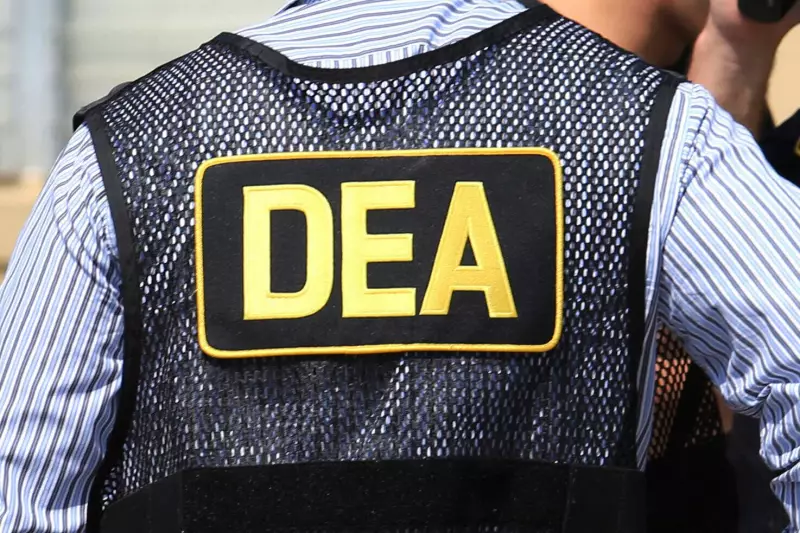
In a significant development in international drug enforcement, agents from the United States Drug Enforcement Administration (DEA) have conducted aerial surveys of coca fields in Bolivia. The operation, confirmed by a Bolivian deputy minister, took place in early January 2026.
Details of the Aerial Survey Operation
The deputy minister revealed that the U.S. drug agents carried out the surveillance mission to assess coca cultivation in the region. This activity marks a notable moment in cross-border narcotics control efforts. The surveys are a tool used to estimate the scale of coca leaf production, which is the primary raw material for cocaine.
The confirmation was made on January 09, 2026. While specific locations within Bolivia were not detailed in the initial report, such operations typically focus on known cultivation areas in regions like the Yungas and the Chapare.

Context and International Relations
This operation occurs within a complex historical and political context. The DEA's presence and operational scope in Bolivia have fluctuated over the years due to shifting bilateral relations and changes in Bolivia's domestic drug control policies. The return of U.S. agents for survey work indicates a level of coordination between the two nations on counter-narcotics initiatives.
The move is part of broader international efforts to monitor and combat the drug trade. Aerial imagery and surveys provide critical data for understanding trends in cultivation, which can inform both local interdiction strategies and global policy.
Implications and Next Steps
The data collected during these surveys will likely be analyzed to gauge the current state of coca cultivation in Bolivia. This information is vital for the U.S. in formulating its international drug control strategy and for Bolivia in managing its legal and illegal coca markets. Bolivia permits a limited amount of coca cultivation for traditional uses, but excess production often feeds into the illicit cocaine trade.
The involvement of the DEA highlights the ongoing transnational challenge of drug production and trafficking. It underscores the continued use of technical surveillance in modern drug enforcement, even as diplomatic relationships evolve. The findings from this survey could influence future joint operations, aid packages, or diplomatic discussions centered on security and crop substitution programs.
Observers will be watching to see if this technical collaboration leads to further joint actions or if it remains a standalone intelligence-gathering mission. The event signifies a pragmatic, if limited, point of cooperation on a deeply entrenched issue affecting the entire Western Hemisphere.