In a significant escalation of maritime enforcement, United States forces have captured another sanctioned oil tanker in the Caribbean Sea, directly linked to the ongoing campaign to control Venezuela's vital oil industry. The operation, which took place in the pre-dawn hours, marks the sixth such seizure under the Trump administration's strategy.
Pre-Dawn Raid on the High Seas
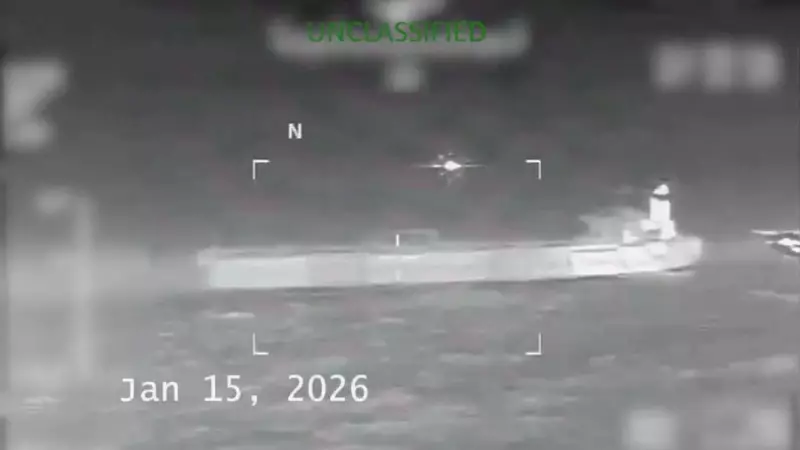
On Thursday, January 15, 2026, a U.S. Coast Guard tactical team, supported by military personnel, boarded and seized the Motor Tanker Veronica. The action was launched from the aircraft carrier USS Gerald R. Ford, with Marines and sailors playing a key role. Homeland Security Secretary Kristi Noem announced the operation on social media, posting a brief, grainy video that showed helicopters hovering over a merchant vessel as armed troops fast-roped onto its deck.
Noem stated the tanker was operating in defiance of a U.S.-established quarantine for sanctioned vessels in the Caribbean and had previously passed through Venezuelan waters. She emphasized the operation was conducted with “close coordination” with the U.S. military, State Department, and Justice Department, praising Coast Guard personnel for a “flawlessly executed operation, in accordance with international law.”

Part of a Broader Campaign Against Maduro's Government
This seizure is not an isolated incident. The Veronica represents the sixth tanker taken by U.S. forces as part of President Donald Trump's comprehensive effort to dominate the production, refining, and global distribution of Venezuelan oil. Notably, this is the fourth seizure since the dramatic U.S.-backed ouster of Venezuelan President Nicolás Maduro in a surprise nighttime raid almost two weeks prior.
The strategy aims to cripple the economic engine of the former Maduro government, cutting off the flow of oil revenue. By intercepting these “ghost fleet” tankers—vessels that attempt to evade sanctions—the U.S. seeks to enforce a strict blockade on the country's most valuable resource.
Implications for Regional Security and Energy Markets
The repeated military-led seizures in international waters signal a highly assertive and ongoing U.S. posture in the Caribbean region. These actions underscore the continued application of maximum pressure tactics against entities linked to Venezuela, even after a change in government.
For global energy observers and allies like Canada, these developments highlight the volatility in a key oil-producing region and the extent of U.S. willingness to use military assets for economic enforcement. The sustained campaign raises questions about long-term stability and the rule of law in Caribbean maritime corridors, with potential ripple effects on insurance, shipping, and energy security.