U.S. Military Conducts Strike on Iranian Nuclear Site Amid Rising Tensions
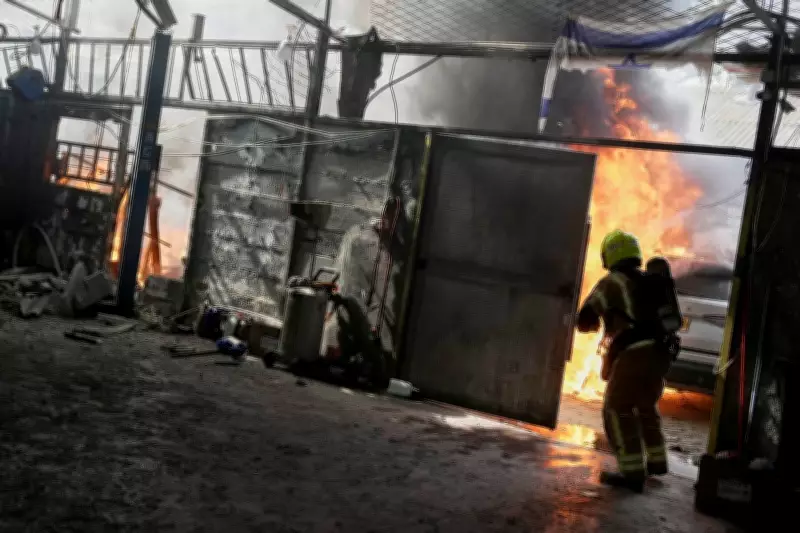
In a significant escalation of hostilities, the United States launched a targeted attack on an Iranian nuclear facility, according to reports from March 31, 2026. The operation, which occurred in the early hours, marks a direct military confrontation between the two nations, heightening concerns over regional stability and global security.
Iranian Retaliation Targets Oil Tanker Off Dubai Coast
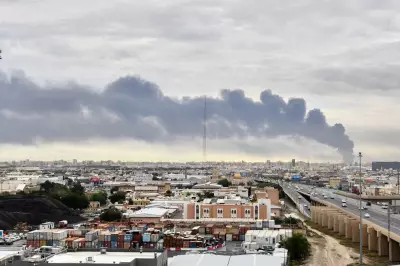
In response to the U.S. strike, Iranian forces reportedly attacked an oil tanker near the coast of Dubai, further intensifying the conflict. This retaliatory move underscores Tehran's willingness to engage in asymmetric warfare, potentially disrupting vital maritime trade routes in the Persian Gulf and impacting global oil markets.
The incident has sparked international alarm, with analysts warning of the risk of a broader regional war. The attack on the oil tanker highlights Iran's capability to threaten economic interests, while the U.S. action signals a firm stance against Iran's nuclear ambitions. Both sides have yet to issue official statements on casualties or damages, but the situation remains volatile.

Background and Implications of the Escalating Conflict
This latest flare-up follows years of strained relations between the U.S. and Iran, centered on nuclear proliferation and regional influence. The U.S. strike on the nuclear site is seen as a preemptive measure to curb Iran's atomic program, which has long been a point of contention in international diplomacy.
Meanwhile, the attack on the oil tanker off Dubai raises questions about maritime security in the Gulf, a critical corridor for global energy supplies. Experts suggest that such incidents could lead to increased military presence in the area, potentially drawing in other regional powers and exacerbating tensions.
- U.S. strike targets Iranian nuclear infrastructure, aiming to delay or dismantle atomic capabilities.
- Iran's retaliation focuses on economic targets, using asymmetric tactics to counter U.S. military superiority.
- Global oil prices may fluctuate due to concerns over supply disruptions from the Persian Gulf.
- International community calls for de-escalation, but diplomatic efforts face significant hurdles.
As the situation develops, world leaders are urging restraint to prevent a full-scale conflict. The events of March 31, 2026, serve as a stark reminder of the fragile balance in the Middle East and the potential for rapid escalation in geopolitical disputes.