U.S. Escalates Military Posture Against Iran as Diplomatic Negotiations Loom
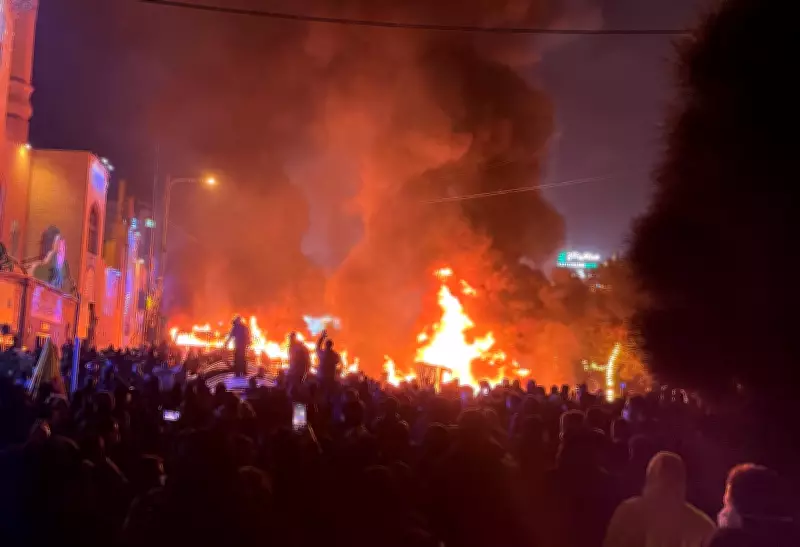
The United States has significantly increased its military pressure on Iran in the lead-up to a series of high-stakes diplomatic talks scheduled between the two nations. This strategic move comes amid heightened regional tensions and ongoing domestic unrest within Iran, as evidenced by recent protests in Tehran where demonstrators gathered around burning cars in early January 2026.
Timing and Context of Military Escalation
The timing of this military pressure campaign is particularly noteworthy, occurring just weeks before crucial negotiations that could reshape Middle Eastern geopolitics. Analysts suggest this represents a calculated effort by Washington to strengthen its bargaining position ahead of the diplomatic discussions.
The military escalation includes:

- Increased naval presence in strategic waterways near Iranian territory
- Enhanced aerial surveillance operations along Iran's borders
- Additional deployment of advanced military assets to regional bases
- Heightened readiness levels among U.S. forces stationed in the Middle East
Domestic Unrest in Iran Complicates Diplomatic Landscape
Meanwhile, Iran continues to grapple with significant domestic challenges. The protest imagery from Tehran in January 2026 illustrates the ongoing social and political tensions within the country. These internal pressures may influence Iran's negotiating position and could potentially create vulnerabilities that the U.S. seeks to exploit during the upcoming talks.
Regional security experts note that the combination of external military pressure and internal instability creates a particularly volatile environment for diplomatic engagement. The success or failure of these negotiations could have far-reaching implications for Middle Eastern stability and global energy markets.
Strategic Implications and International Response
The U.S. decision to ramp up military pressure represents a continuation of its longstanding strategy toward Iran, though with increased intensity as diplomatic opportunities emerge. This approach balances coercive measures with potential diplomatic openings, creating what some analysts describe as a "pressure-and-negotiate" framework.
International observers are closely monitoring how Iran will respond to this dual-track approach of military pressure alongside diplomatic overtures. The outcome of these high-stakes talks could determine whether the region moves toward greater stability or faces renewed conflict in the coming years.