The United States government has taken a significant step in its foreign policy and security strategy by officially designating three chapters of the Muslim Brotherhood as global terrorist organizations. The announcement was made public on January 13, 2026.
Details of the Designation
According to reports from Reuters, the U.S. decision targets specific international chapters of the long-established Islamist movement. While the exact names of the three designated chapters were not detailed in the initial bulletin, the move represents a clear escalation in Washington's stance towards the group's overseas activities.
The Muslim Brotherhood, founded in Egypt in 1928, is a transnational Sunni Islamist organization. It has a complex history, participating in politics in several countries while being banned or designated as a terrorist group by nations including Egypt, Saudi Arabia, and the United Arab Emirates.

Historical Context and Immediate Reactions
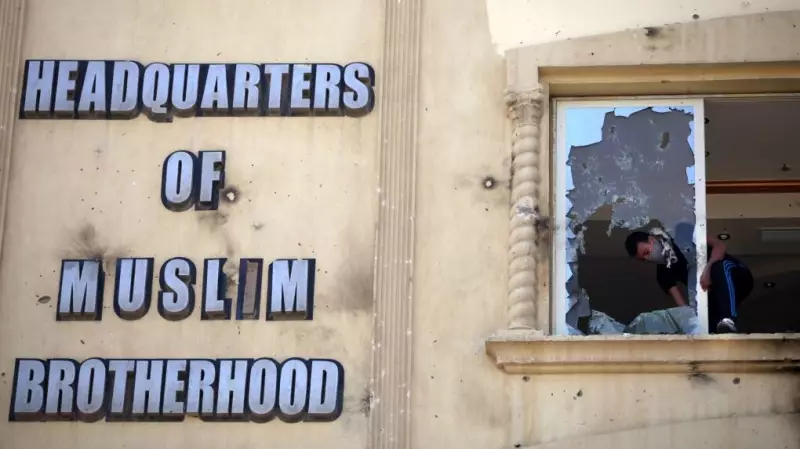
The news service accompanied its report with a powerful historical image, dated Monday, July 1, 2013, showing an Egyptian protester ransacking the Muslim Brotherhood's headquarters in Cairo's Muqatam district. This visual reference underscores the deep and often violent political conflicts surrounding the group, particularly following the 2013 military overthrow of Egypt's Brotherhood-affiliated President Mohamed Morsi.
This designation by the U.S. State Department triggers severe financial and travel sanctions. It becomes illegal for Americans to knowingly provide material support to these chapters, and any of their assets under U.S. jurisdiction will be blocked.
Broader Implications and Analysis
This decision is poised to have wide-ranging implications for international diplomacy and counter-terrorism cooperation. It aligns the U.S. more closely with several key Middle Eastern allies who have long viewed the Brotherhood as a security threat. However, it may also complicate relations with other nations where the group operates through political or social wings.
Analysts suggest the move could influence global efforts to counter violent extremism by reshaping how governments and international bodies perceive and engage with Islamist political movements. The designation highlights the ongoing challenge of distinguishing between a group's political, social, and potentially militant activities on the world stage.
The announcement, made in the first month of 2026, sets a definitive tone for U.S. foreign policy in the new year and will likely be a point of discussion in future international security forums.