U.S. Ambassador Issues Warning Over Canada's F-35 Fighter Jet Purchase
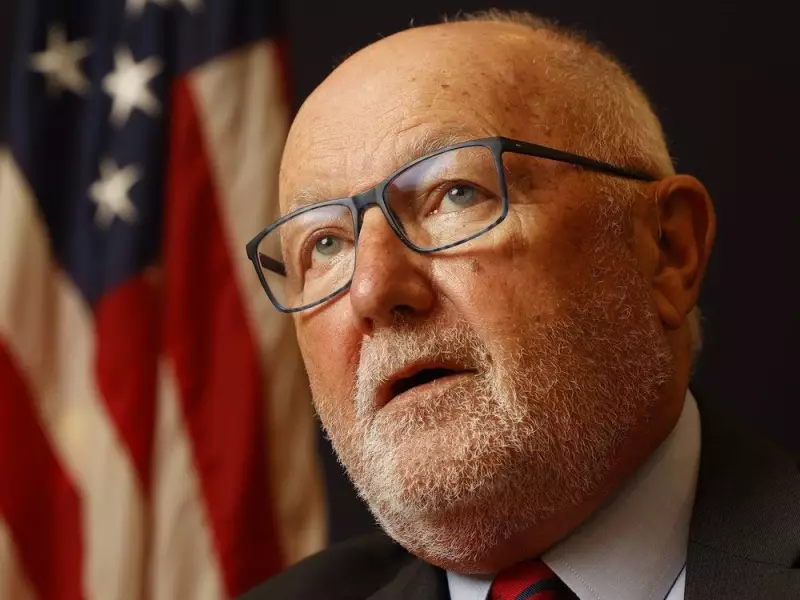
U.S. Ambassador to Canada Pete Hoekstra has delivered a stark warning regarding Canada's potential cancellation of its planned purchase of 88 F-35 fighter jets. According to Hoekstra, if Ottawa does not proceed with this significant defense acquisition, the United States would be compelled to purchase additional F-35s for its own air force and would need to fly them more frequently within Canadian airspace to address emerging security threats.
Potential Consequences for North American Defense
During a recent interview at Luke Air Force Base in Arizona, Hoekstra emphasized that Canada's decision would have direct implications for the North American Aerospace Defense Command (NORAD), the longstanding military partnership between Canada and the United States that monitors and responds to aerial threats approaching North America.
"If Canada is no longer going to provide that capability, then we have to fill those gaps," Hoekstra told the CBC. He further explained that "NORAD would have to be altered" if Canada chooses to pursue what he described as an inferior alternative fighter jet that lacks the same level of interoperability with American defense systems.

Background of Canada's F-35 Procurement
The current situation stems from Canada's announcement last March that it was reviewing its $19 billion order for 88 F-35 stealth fighter jets. This review came in response to tariff threats from former U.S. President Donald Trump. Despite this uncertainty, Canada had already signed a deal with U.S. defense contractor Lockheed Martin in 2023 after years of deliberation and delay.
The agreement included:
- A commitment to purchase 88 F-35 fighter jets
- An initial payment for the first 16 aircraft
- Scheduled delivery of the first jets beginning this year
While Canada has indicated it will accept the initial 16 jets, the military has been exploring alternative fighter jet options from other sources to fulfill the remainder of its requirements.
Diplomatic Nuances and Strategic Considerations
Interestingly, Hoekstra's recent comments represent a shift in tone from his previous statements on the matter. In a December 2025 interview with National Post, the ambassador appeared more accommodating, stating "Canada can do what it wants on the F-35" and acknowledging that the country could conduct another review if desired.
However, Hoekstra has consistently maintained that the United States believes the F-35 represents "the best option for Canada" and that American officials would continue to present a strong case for proceeding with the purchase. He has noted that Canada stands out among allied nations as one of the few not currently operating the advanced fighter aircraft, though this would change with the imminent delivery of the first jets.
Broader Defense Cooperation Context
The ambassador's comments come amid broader discussions about Canada's military commitments. Hoekstra has publicly welcomed several defense initiatives undertaken by Canada over the past year, including:
- Accelerated timelines for meeting NATO defense spending targets
- Recent agreements on Arctic cooperation with the United States
- General enhancements to military readiness and capability
Despite these positive developments, the F-35 procurement remains a significant point of discussion in Canada-U.S. defense relations. The potential consideration of Sweden's Gripen fighter aircraft, manufactured by Saab, has added another layer of complexity to the ongoing deliberations.
As the situation continues to evolve, the ultimate decision regarding Canada's fighter jet procurement will have lasting implications for North American security cooperation and the operational effectiveness of NORAD's continental defense mission.