A U.S. military operation targeting a suspected drug smuggling vessel in the eastern Pacific Ocean has left two people dead, defense officials confirmed. The strike occurred as part of ongoing efforts to interdict illegal narcotics trafficking in international waters. Details of the engagement remain limited, but the incident underscores the persistent challenges in combating maritime drug routes. The U.S. Southern Command, which oversees operations in the region, is expected to release further information pending an investigation. The operation highlights the continued use of military assets in law enforcement support roles against drug cartels.
Operation Details
The strike took place in the eastern Pacific, a key transit zone for cocaine shipments from South America to Central America and the United States. U.S. Navy and Coast Guard vessels frequently patrol these waters, often working with partner nations. According to preliminary reports, the vessel was identified as a high-speed go-fast boat commonly used by drug traffickers. After the suspects failed to comply with orders to stop, warning shots were fired, escalating into the use of lethal force. Two individuals aboard the boat were killed; no U.S. personnel were injured.
Broader Context
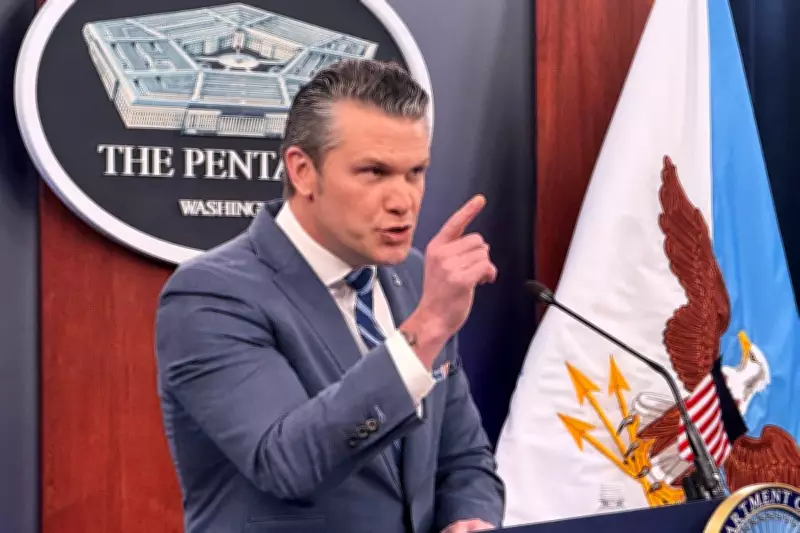
This incident is part of a larger pattern of interdiction operations in the region. In recent years, the U.S. military has increased its role in counter-narcotics missions, deploying destroyers, cutters, and aircraft to track and intercept drug shipments. Critics argue that such operations can lead to civilian casualties and raise questions about the rules of engagement. Supporters contend they are necessary to disrupt the flow of drugs that fuel violence and addiction. The Pentagon has stated that all such actions are conducted in accordance with international law and with strict protocols to minimize harm.

The eastern Pacific remains a hotspot for drug trafficking, with cartels using increasingly sophisticated methods, including semi-submersible vessels and drones. The U.S. government has allocated significant resources to combat this threat, including intelligence sharing and joint training with regional allies. This latest incident is likely to renew debates about the militarization of drug enforcement and the balance between security and human rights.