U.S. Negotiators Set for Pakistan Talks with Iran as Strait of Hormuz Reopens
Former U.S. President Donald Trump has announced that American negotiators will be in Pakistan on Monday for discussions with Iran, a move that comes amid renewed tensions and strategic shifts in the Middle East. The talks are scheduled as the critical Strait of Hormuz, a vital global oil shipping lane, has been closed and reopened following alleged violent incidents involving boats.
Strait of Hormuz Dynamics and Economic Impact
The Strait of Hormuz, a narrow passage between the Persian Gulf and the Gulf of Oman, has been a flashpoint in recent weeks. It was closed once again after reports of boats being targeted with violence, though it has since reopened. However, a former U.S. diplomat has suggested that Iran was never planning on fully re-opening the strait, indicating ongoing geopolitical maneuvering.
This volatility has had immediate economic repercussions. Oil prices tumbled by 10 percent as Wall Street reacted to the reopening, setting a record in market movements. Analysts note that Iran's decision to open the strait gives Trump a mask of victory despite a U.S. blockade remaining in place, according to commentary from Ham. Meanwhile, experts like Fraser argue that the opening could either pave the way for peace or pressure the U.S. to end its blockade, highlighting the complex interplay of diplomacy and force.

Regional Conflicts and Diplomatic Efforts
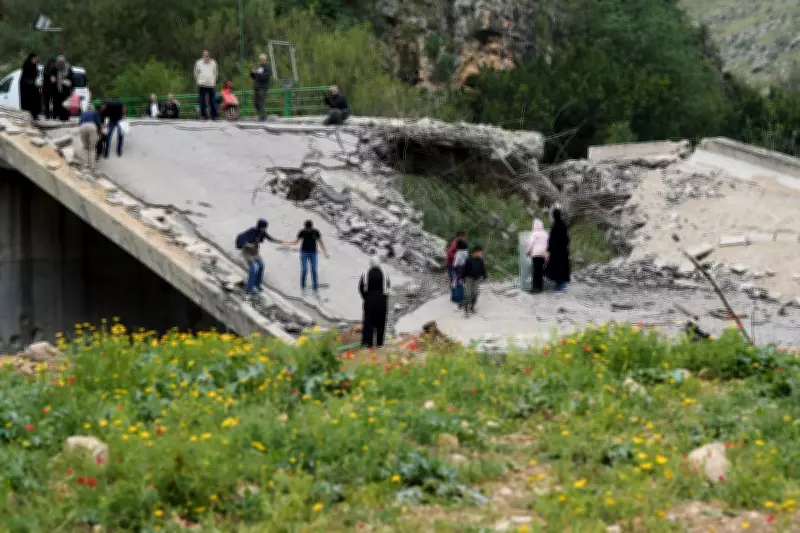
In a related development, Israel and Lebanon have agreed to a 10-day ceasefire, a move that Trump has publicly supported. This ceasefire comes as part of broader efforts to de-escalate regional conflicts, which have seen sporadic violence and humanitarian concerns. The U.S. talks with Iran in Pakistan are expected to address these and other issues, including the strait's status and broader Middle East stability.
The negotiations are taking place against a backdrop of other global events, such as a mass shooting in Ukraine's capital that left six dead before police intervened, and North Korea launching multiple short-range ballistic missiles toward the sea. These incidents underscore the interconnected nature of international security and diplomacy.
Economic and Political Ramifications
The economic impact of the Strait of Hormuz situation extends beyond oil markets. Consumers may face changes in the cost and availability of flights due to the Iran conflict, as noted in lifestyle reports. Additionally, the U.S. blockade and talks could influence trade dynamics, with some analysts, like Howard Lutnick, criticizing Canada's trade strategy as the worst, though this is a separate issue from the Middle East focus.
As U.S. negotiators prepare for the Pakistan talks, the world watches closely. The outcome could shape not only regional peace but also global energy prices and diplomatic relations. With oil prices already reacting sharply, the stakes are high for all parties involved.
In summary, the announcement of U.S. negotiators heading to Pakistan for Iran talks marks a critical juncture in Middle East diplomacy. The reopening of the Strait of Hormuz, coupled with economic fluctuations and regional ceasefires, sets the stage for complex negotiations that could have far-reaching consequences for international stability and markets.