In a significant escalation of economic pressure, the United States government has seized a sixth oil tanker as part of its ongoing sanctions enforcement campaign targeting Venezuela's petroleum sector. The action, announced on January 15, 2026, underscores the continued efforts initiated under former President Donald Trump to control and restrict the South American nation's primary export.
Announcement from the White House
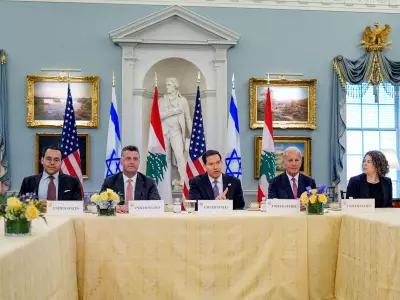
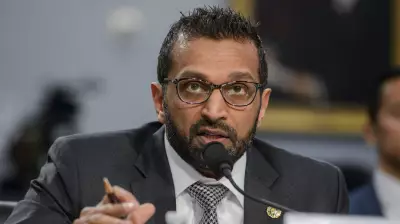
U.S. Homeland Security Secretary Kristi Noem confirmed the seizure during a briefing with reporters at the White House. The vessel, whose name was not immediately disclosed, is alleged to have direct ties to Venezuela's state-owned oil company, PDVSA, or to entities facilitating the circumvention of U.S. sanctions. This marks the latest in a series of maritime enforcement actions designed to cripple the oil revenue flowing to the government of Nicolas Maduro.
Secretary Noem framed the seizure as a critical step in upholding international sanctions and preventing illicit funds from reaching a regime the U.S. considers illegitimate. "We will continue to use every tool at our disposal to enforce these sanctions and uphold the rule of law," Noem stated, emphasizing the multi-agency cooperation involved in tracking and intercepting the vessel.

The Broader Sanctions Strategy
The Trump administration's original sanctions framework, which has largely remained in place, aimed to starve the Maduro government of its main source of income. The strategy involves:
- Blocking all property and interests in property of the Venezuelan government within U.S. jurisdiction.
- Prohibiting transactions with PDVSA.
- Targeting third-party vessels and companies that facilitate the transport or sale of Venezuelan crude.
The seizure of this sixth tanker demonstrates the logistical and legal reach of U.S. authorities, who often work with allied nations to detain ships in international waters or deny them port access. Each successful seizure represents a multi-million dollar blow to Caracas's coffers and complicates its ability to trade oil on the global market.
Implications and Regional Impact
This persistent campaign has profound implications for global energy markets and geopolitical dynamics in the Western Hemisphere. Venezuela, home to the world's largest proven oil reserves, has seen its production plummet due to a combination of mismanagement, infrastructure decay, and these relentless external sanctions.
For the United States, the policy remains a cornerstone of its approach to Venezuela, despite shifting political winds domestically. The actions signal a continued hardline stance, prioritizing pressure over diplomacy in efforts to spur political change in Caracas. The repeated seizures also serve as a stark warning to international shipping and insurance companies about the severe risks of engaging with the sanctioned Venezuelan oil trade.
As the situation develops, analysts will be watching for any retaliatory measures from Venezuela or its allies, as well as the long-term effectiveness of a strategy reliant on maximum economic coercion.