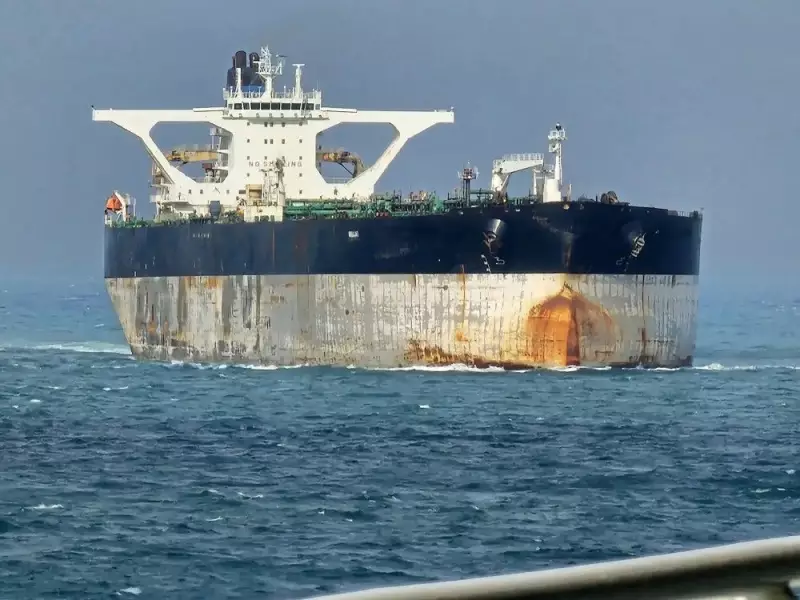
In a dramatic display of maritime enforcement, the United States Coast Guard seized two oil tankers with connections to Venezuela in a pair of meticulously coordinated predawn raids. U.S. Secretary of Homeland Security Kristi Noem announced the operations, which targeted the vessels Bella I and Sophia on Wednesday, January 7, 2026.
High-Seas Operations in the Atlantic and Caribbean
The twin seizures unfolded hours apart in the early morning darkness. Coast Guard tactical teams boarded the tanker Bella I in the North Atlantic Sea, while the second team intercepted the vessel Sophia in international waters near the Caribbean. According to Noem, the operations were the result of close coordination with the U.S. Departments of War, Justice, and State.
In a statement posted on Instagram, Secretary Noem credited the actions to President Donald Trump's "bold and visionary leadership." She shared unclassified footage of the boardings and stated that both ships were either last docked in Venezuela or were en route to the sanctioned South American nation.
A Chase Across the Stormy Atlantic
The operation targeting the Bella I was particularly protracted. Noem accused the tanker of attempting to evade U.S. authorities for weeks. In an apparent effort to avoid detection, the vessel changed its flag registry to Russia and was repainted with a new name, Marinera, on its hull.
"The heroic crew of the USCGC Munro pursued this vessel across the high seas and through treacherous storms," Noem stated, praising their determination. The U.S. European Command later confirmed the seizure on social media platform X, noting it was carried out "for violations of U.S. sanctions" pursuant to a federal court warrant. Tracking data indicated the Bella I was not carrying oil when it was boarded between Scotland and Iceland.
International Reactions and Legal Disputes
The seizure prompted an immediate response from Russia. The Russian Ministry of Transport confirmed that contact with the Marinera (formerly Bella I) was lost after it was boarded "outside the territorial waters of any state." The ministry asserted that the tanker had received a temporary permit to fly the Russian flag on December 24, 2025, in accordance with Russian and international law.
Moscow cited the 1982 U.N. Convention on the Law of the Sea, arguing it prohibits states from using force against vessels duly registered under other jurisdictions. The U.S. European Command countered that the seizure supports President Trump's proclamation targeting sanctioned vessels that "threaten the security and stability of the Western Hemisphere."
These high-seas interdictions mark a significant escalation in the enforcement of U.S. sanctions against Venezuela, demonstrating Washington's willingness to conduct complex maritime operations far from its own shores to uphold its foreign policy objectives.