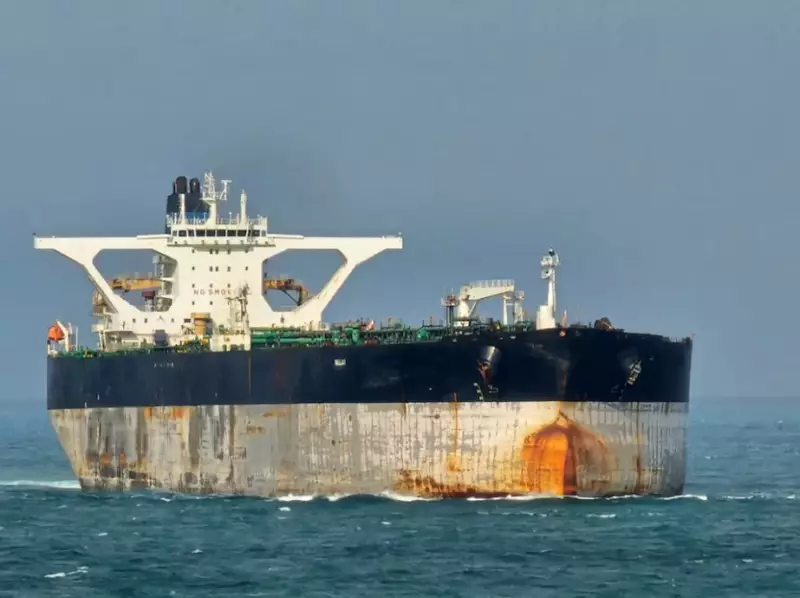
In a significant maritime enforcement action, the United States government has seized two oil tankers linked to Venezuela. The vessels, which were under sanctions imposed in 2024, were intercepted in operations across the North Atlantic and Caribbean Sea.
Details of the Maritime Seizures
The seizures were carried out by U.S. authorities on January 7, 2026. While the Associated Press initially reported the seizure of one tanker, U.S. officials have confirmed that a second vessel was also taken into custody. Both ships were specifically targeted due to their connections to Venezuela's oil sector, which has been under a complex web of U.S. sanctions for years.
The operations underscore the ongoing commitment of the Biden administration to enforce sanctions regimes, particularly those aimed at limiting the revenue streams of the Venezuelan government led by Nicolás Maduro. The exact locations of the seizures were pinpointed to international waters in the North Atlantic Ocean and the Caribbean Sea.

Background and Broader Implications
The tankers had been under sanction since 2024, part of a broader effort to pressure Caracas over democratic backsliding and human rights concerns. This latest action signals that these sanctions remain actively enforced, with tangible consequences for vessels attempting to circumvent them.
For global energy markets and maritime security, such seizures highlight the reach of U.S. financial and legal power. They serve as a stark warning to shipping companies and insurers about the risks of engaging with sanctioned entities. The move may also have ripple effects on global oil flows and insurance premiums for routes in the Western Hemisphere.
Context for Canadian Observers
While this is a U.S.-led action, it holds relevance for Canada, a close ally and trading partner. Canada has maintained its own sanctions on Venezuelan officials and has supported international efforts to address the political crisis there. This development may influence discussions in Ottawa regarding hemispheric security and the enforcement of international sanctions.
The seizure of major oil tankers is a rare and high-stakes maneuver. It demonstrates a willingness to use physical interdiction at sea to back up economic policy, a tactic that carries significant diplomatic and operational weight.
Analysts will be watching closely for Venezuela's response and for any potential impact on oil prices. Furthermore, the legal process for the disposition of the seized vessels and their cargo will be a complex international matter to follow in the coming weeks.