U.S. Military Prepares to Blockade Iranian Ports Amid Rising Tensions
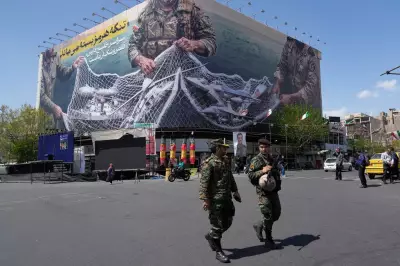
The United States military is poised to implement a blockade targeting Iranian ports, a move that marks a significant escalation in the ongoing geopolitical standoff. This development comes as Tehran has issued threats to retaliate by targeting ports across the Middle East, heightening concerns over potential regional conflict and disruptions to global trade routes.
Details of the U.S. Blockade Strategy
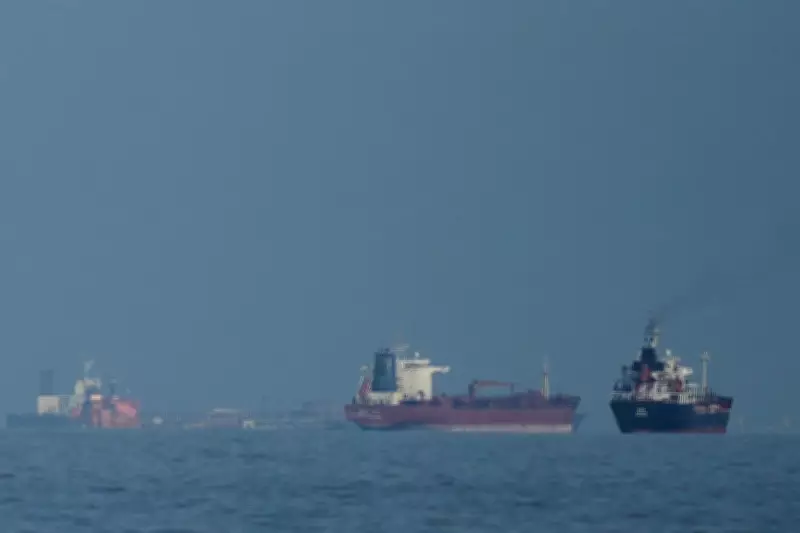
According to reports, the U.S. is mobilizing naval assets to enforce the blockade, which aims to curb Iran's maritime activities and economic capabilities. This action follows stalled peace talks and increasing diplomatic friction, with analysts warning that it could lead to a broader military confrontation. The blockade is expected to focus on key Iranian ports, including those in the Persian Gulf, which are critical for the country's oil exports and commercial shipping.
Iran's Response and Regional Threats
In response, Iranian officials have vowed to take countermeasures, threatening to disrupt ports in neighboring Middle Eastern nations. This tit-for-tat escalation has raised alarms among international observers, who fear it could spark a chain reaction of hostilities. The situation is further complicated by Iran's strategic position near the Strait of Hormuz, a vital chokepoint for global oil shipments, where any military action could have severe economic repercussions worldwide.

Economic and Security Implications
The looming blockade and threats have already impacted global markets, with oil prices fluctuating amid uncertainty. Economists note that prolonged tensions could lead to supply chain disruptions and increased costs for energy consumers. Additionally, security experts emphasize the risk of accidental clashes between U.S. and Iranian forces, which could quickly spiral into a larger conflict involving other regional actors.
Background and Context
This escalation builds on years of strained relations between the U.S. and Iran, fueled by disagreements over nuclear programs, regional influence, and previous military incidents. The current crisis underscores the fragile nature of diplomacy in the Middle East and the challenges of de-escalating tensions without resorting to force. As both sides dig in, the international community is calling for renewed dialogue to prevent a full-blown war.
In summary, the U.S. military's planned blockade of Iranian ports and Tehran's retaliatory threats represent a dangerous new phase in Middle East tensions, with far-reaching consequences for global stability and economy.