Diplomatic silence hangs over a recent statement by former U.S. President Donald Trump regarding a suspected narcotics facility in Venezuela. As of December 29, 2025, officials from both the United States and the Venezuelan government have declined to comment or provide further details on the matter.
The Statement That Sparked Questions
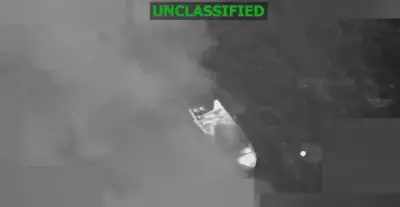
Former President Trump referenced potential action against what he described as a drug boat facility in Venezuela. The brief mention, lacking specific operational details or timelines, has ignited a wave of speculation within international circles. The nature of the alleged facility, its location, and any evidence supporting the claim have not been publicly disclosed by Trump or his associates.
The U.S. State Department and current administration officials have maintained a strict "no comment" policy when pressed for clarification or reaction. Similarly, representatives of the Venezuelan government have not issued any official statements addressing the former president's remarks, creating an information vacuum.

Context of U.S.-Venezuela Relations
This incident occurs against a complex backdrop of long-strained relations between the two nations. The United States has historically levied severe sanctions against Venezuela's government and state-run industries, citing issues ranging from democratic backsliding to narcotics trafficking. Venezuela has consistently denied accusations of state involvement in the drug trade.
Analysts suggest that public statements from influential U.S. political figures regarding Venezuelan affairs can significantly impact already fragile diplomatic channels. The lack of immediate official response from either side may indicate efforts to assess the situation privately or a desire to avoid escalating rhetoric.
Unanswered Questions and Regional Impact
The core facts of the case remain shrouded in mystery. Key questions persist: What intelligence, if any, supports the claim of a specific "drug boat facility"? Was this a reference to past, present, or potential future policy? How does this align with current U.S. foreign policy objectives in the region?
Regional partners in Latin America and the Caribbean are likely monitoring the situation closely. Unverified allegations or threats of unilateral action can destabilize regional security dynamics and complicate collaborative anti-drug efforts. The silence from both capitals leaves allies and observers parsing through limited information.
Until either government breaks its silence, the full implications of former President Trump's statement will remain unclear. The situation underscores the delicate and often volatile nature of discourse surrounding cross-border security and the ongoing challenges in hemispheric relations.